
A registered Turkish trademark is enough to get into Amazon Brand Registry for Turkish Sellers, TÜRKPATENT is on Amazon’s accepted list, which is why most Turkish sellers register there first. But qualifying for Brand Registry and having trademark protection across the EU are two different things: a Turkish trademark only protects a brand inside Turkey.
That gap becomes real the moment a seller expands, a competitor copies the listing on Amazon Germany or France, and the Turkish trademark carries no legal weight there. Brand Registry’s tools still work for reporting it; what’s missing is the trademark rights to back a legal claim.
This guide covers when a Turkish trademark is genuinely enough, when you need to file an EUIPO trademark instead, and the mistakes that get applications rejected even with valid paperwork.
Turkish Trademark vs EUIPO Trademark: Side-by-Side
TÜRKPATENT sits on Amazon Brand Registry eligible countries list, right next to the US, UK, and EUIPO. That settles eligibility, but eligibility and protection aren’t the same thing, and the difference is easiest to see side by side.
| Turkish Trademark (TÜRKPATENT) | EU Trademark (EUIPO) | |
| Official filing fee | TRY 2,820 (~€55) | €850 (1 class, online) |
| Registration fee | TRY 7,010 (~€139) | Included in filing fee |
| Typical timeline (unopposed) | 6-14 months | 4-6 months |
| Territory covered | Turkey only | All 27 EU member states |
| Qualifies for Amazon Brand Registry | Yes | Yes |
| Trademark protection in DE/FR/IT/ES | No | Yes |
What Amazon Brand Registry for Turkish Sellers Actually Unlocks
Both trademarks unlock the same Brand Registry toolkit, A+ Content, Brand Analytics, Sponsored Brands, Amazon Stores, the Vine early-review program, and Report a Violation, though each tool can carry its own access conditions. Amazon doesn’t check which country the trademark protects, only that it exists in an accepted office. That’s exactly why so many Turkish sellers file with TÜRKPATENT, get approved, and assume they’re covered everywhere.
What the Turkish trademark Amazon accepts doesn’t carry is legal backing outside Turkey. An EUIPO trademark, filed through the European Union Intellectual Property Office, buys that for €850 and four to six months if unopposed, covering all 27 member states in one filing, according to EUIPO’s official fee schedule.
Where the Protection Actually Splits
The gap shows up later. If a counterfeiter lists a product on Amazon.de using someone else’s brand name, Report a Violation still works off the trademark record, but the legal weight behind it doesn’t travel the same way. A Turkish trademark doesn’t extend into Germany, so it generally isn’t a German trademark right a seller could rely on in a formal dispute there.
The EUIPO trademark Amazon Brand Registry route closes that gap in one filing instead of one per country, which is why sellers running FBA across several EU marketplaces usually end up filing one even after they’re already enrolled through TÜRKPATENT.
Picture a Turkish home goods brand that files only with TÜRKPATENT, gets approved within days, and launches on Amazon.de with a small run of kitchenware. Eighteen months later, sales are steady across three EU marketplaces, and counterfeit listings show up on Amazon.fr using product photos lifted straight from the catalog. Report a Violation is still there, the trademark protection behind it isn’t, because a TURKPATENT Amazon Brand Registry filing never backed anything outside Turkey.
Not sure yet whether the business will expand past one or two EU marketplaces? That’s usually the first thing worth working through with someone who’s mapped this decision out before, covered in an Amazon EU market-entry consultation.
Which Trademark Should You Choose?
Starting from scratch with no trademark yet? TÜRKPATENT is normally the faster, cheaper first move, with an EUIPO filing added later once EU sales justify it. The exception is a brand racing to launch before a competitor claims the name, IP Accelerator can get a pending filing into Brand Registry months before either office finishes examining it.
When a Turkish Trademark Is Enough
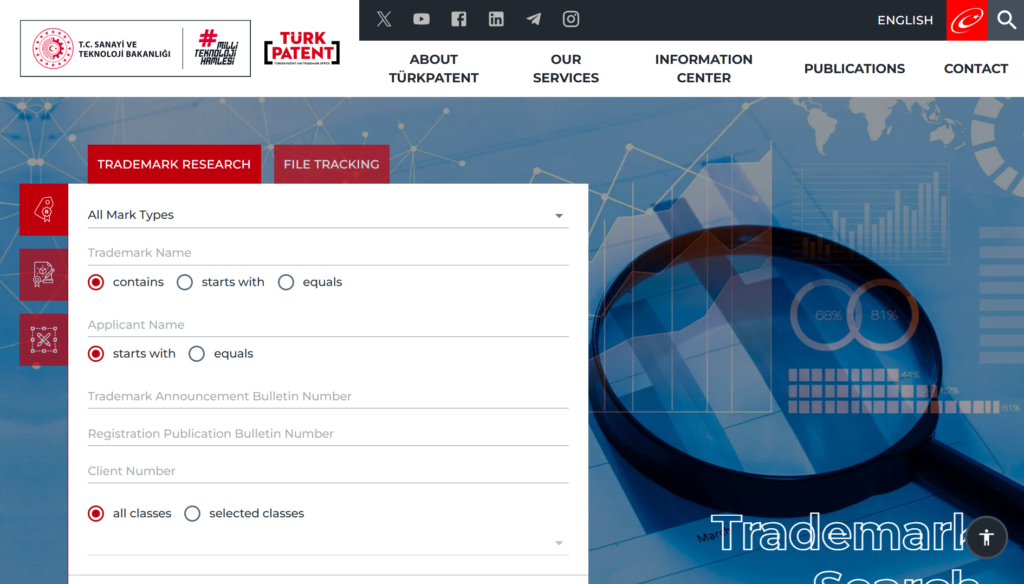
Testing one Amazon EU marketplace with a small catalog? A Turkish trademark is enough, it unlocks Amazon Brand Registry for Turkish sellers along with A+ Content and Sponsored Brands, without the extra EUIPO cost. There’s no reason to file for “just in case” before the product proves it can sell, and plenty of sellers run profitably on a single marketplace for years without ever needing more than that.
When EUIPO Becomes Worth It
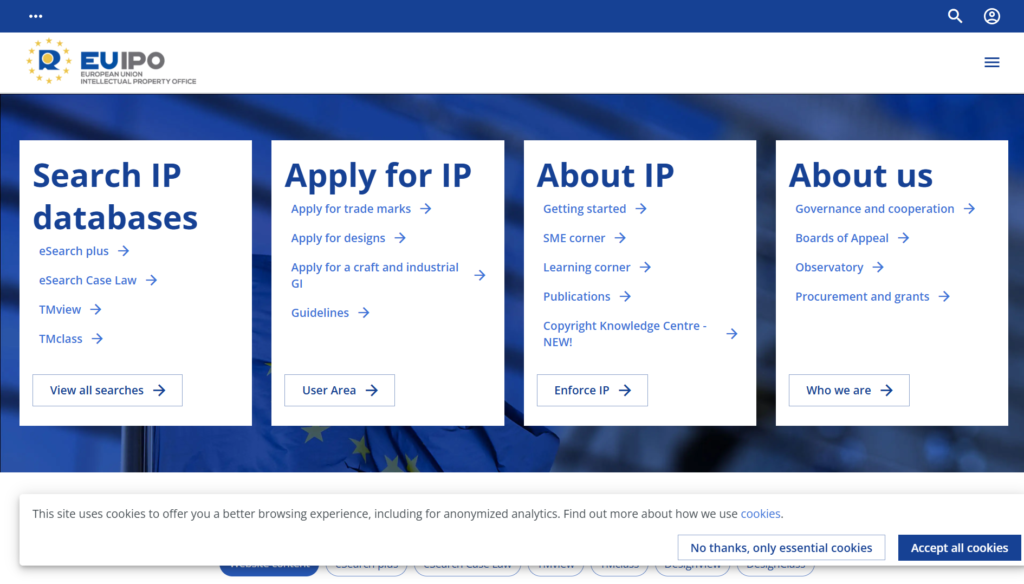
Already running FBA across two or more EU countries, or watching a catalog get copied faster than it can be reported? At that point, an EUIPO trademark becomes increasingly worth the cost, the broader territorial protection gets easier to justify once a hijacked listing on even one extra marketplace is on the table.
Common Mistakes That Get Turkish Sellers Rejected
Most rejections have nothing to do with the trademark itself. The trademark is usually fine, what trips up the application is how closely everything else matches it. Amazon checks the application against the trademark record closely, and a mismatch is a common reason applications come back rejected rather than approved with a note to fix. Most of these fall into two buckets.
Mismatches With the Trademark Record
- Brand name isn’t an exact match: The name in the application needs to closely mirror the trademark record. Sellers on Amazon’s forums consistently report rejections tied to capitalization, spacing, or punctuation differences from that record.
- Product images don’t show the brand name as filed: Amazon’s own guidance calls for the brand name or logo to be permanently affixed to the product or packaging, if the trademark is a word mark, it’s worth double-checking that the wording shown matches, rather than only a stylized logo that was never registered.
- Business name mismatch: The registrant on the trademark certificate should line up with the entity behind the Amazon seller account, a common issue for sellers who registered personally before incorporating.
Mistakes in the Filing Process
- Wrong trademark office selected in the application: Choosing “Turkey” when the trademark is actually a WIPO/Madrid Protocol filing designating Turkey can cause a mismatch, since the designation and the national TÜRKPATENT record aren’t always read the same way.
- IP Accelerator used incorrectly: The Amazon IP Accelerator Turkish sellers use for early access can unlock Brand Registry enrollment while a trademark is still pending, but generally only when the filing goes through one of the program’s approved law firms, filing independently usually means missing out on that early access.
- Trademark filed under the wrong entity: Sellers who register personally, then later move operations under a company, run into the same mismatch problem from the other direction.
How Brand Registry Enrollment Actually Works
Once the trademark decision is made, enrollment itself is mostly a matter of getting the details to match exactly.
- Start the application from inside Seller Central or Vendor Central, there’s no separate account to create.
- Enter the brand name and the trademark registration or pending application number exactly as it appears on the TÜRKPATENT or EUIPO certificate.
- Upload real product or packaging photos showing the brand name permanently affixed, stock images, mockups, and digitally altered photos aren’t accepted.
- List the product categories and the countries where the brand manufactures and distributes.
- Submit and wait for Amazon to contact the trademark’s listed correspondent for confirmation. Approval timing varies, it’s faster with a fully registered trademark and slower while one is still pending.
Approval isn’t quite the finish line, existing ASINs still need to be connected to the Brand Registry account before A+ Content and the other tools apply to them, which is worth checking in Seller Central rather than assuming it happens on its own.
Protection doesn’t stop once the application is approved. Monitoring listings and keeping documentation current gets easier with ongoing account support once a brand is active on more than one EU marketplace.
Ready to Get Your Brand Protected on Amazon EU?
The trademark decision ultimately comes down to how many EU marketplaces a brand is actually selling on right now, not somewhere down the road, a Turkish trademark alone is fine for one market, and an EUIPO trademark earns its cost once a brand is live in several.
Not sure whether a Turkish trademark covers what’s needed, or ready to file with EUIPO and want it handled right the first time? Book a free Amazon EU expansion consultation. We’ll look at the current trademark status and target marketplaces, walk through the cost trade-off for the specific catalog involved, and map out the fastest path to Amazon Brand Registry for Turkish sellers approval.
FAQ
1. Does Amazon Brand Registry accept Turkish trademarks?
Yes. TÜRKPATENT is one of the government trademark offices Amazon accepts, alongside the US, UK, and EUIPO, so a registered Turkish trademark is enough to enroll.
2. Is Amazon Brand Registry free to join?
Yes, Amazon doesn’t charge anything to enroll in Brand Registry itself. The real cost sits with the trademark: TRY 2,820 plus TRY 7,010 to file and register with TÜRKPATENT, or €850 for an EUIPO filing.
3. Can I enroll in Amazon Brand Registry with a pending Turkish trademark?
Yes, Amazon Brand Registry for Turkish sellers can start through the IP Accelerator program while TÜRKPATENT is still processing the application, as long as the filing goes through one of Amazon’s pre-approved law firms.
4. What is Amazon IP Accelerator, and how does it help Turkish sellers?
It’s Amazon’s network of pre-approved law firms that can get a brand into Brand Registry before its trademark is fully registered. For Turkish sellers, that means A+ Content and Sponsored Brands access months before TÜRKPATENT issues the final registration.
5. Why do Amazon Brand Registry applications get rejected?
Almost always a mismatch, brand name spelling or spacing that doesn’t exactly match the trademark record, product images that don’t show the registered mark, or a business name that doesn’t match the trademark’s registrant.