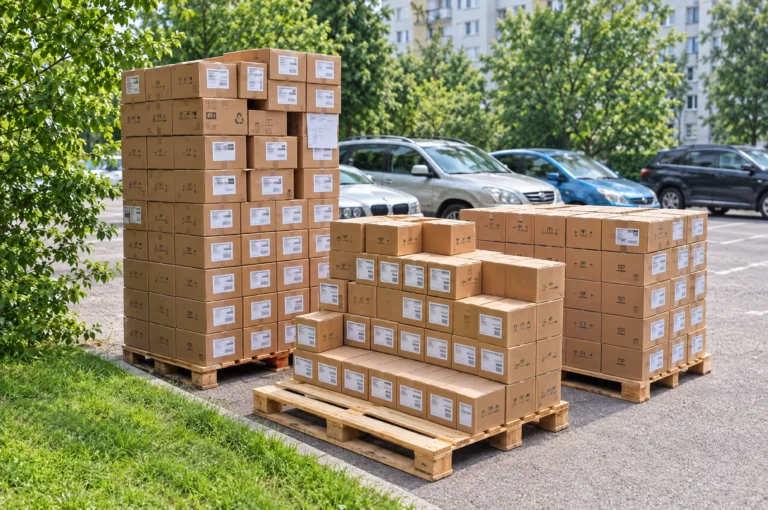
We buy your stock, ship it into Amazon ourselves and become the only authorised seller on your listing. Then we run it like our own money depends on it, because it does.
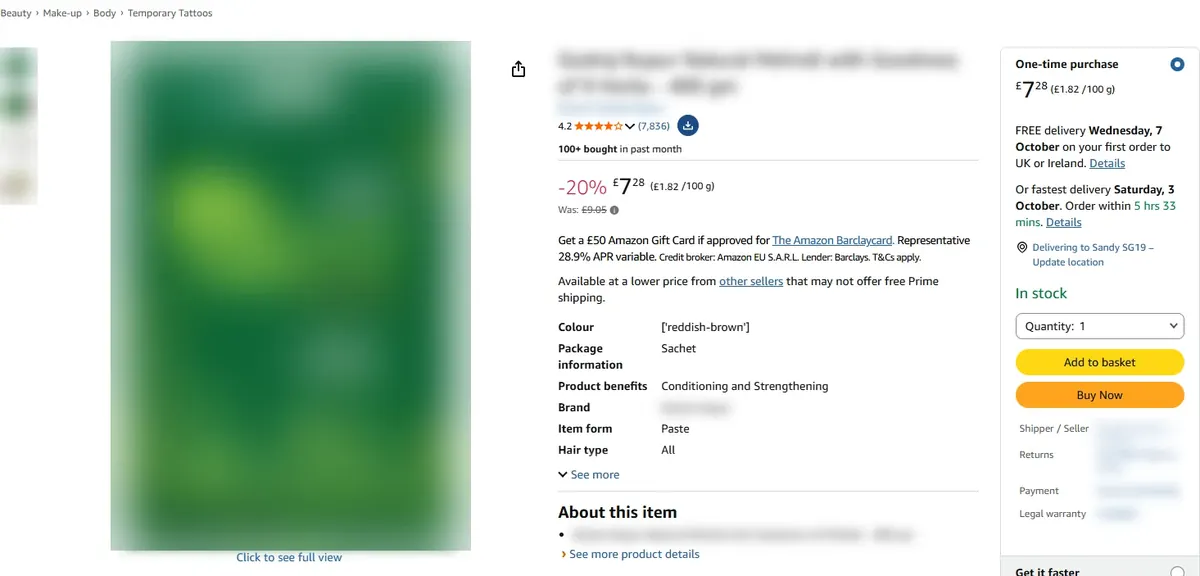
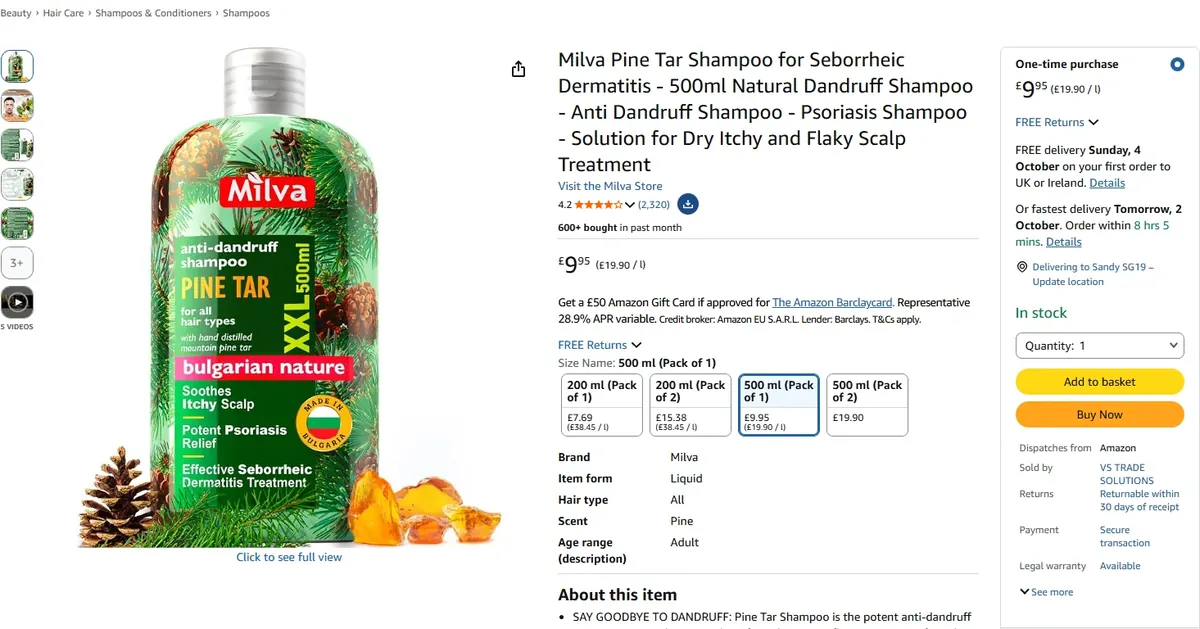
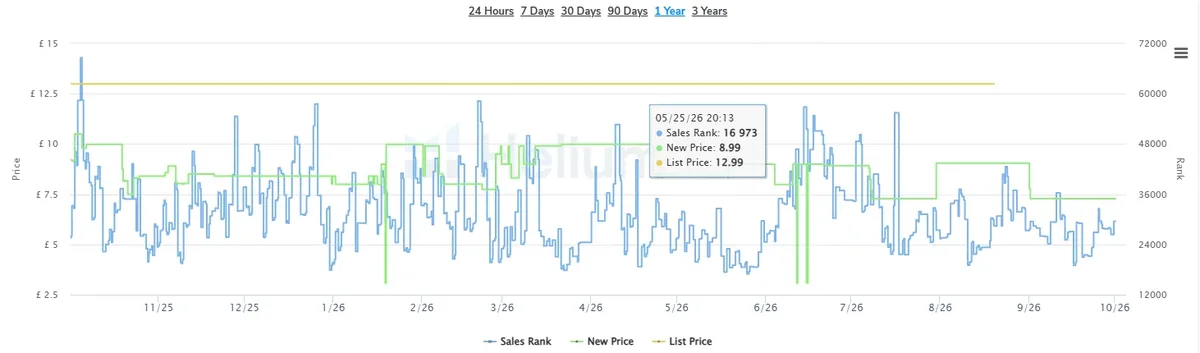
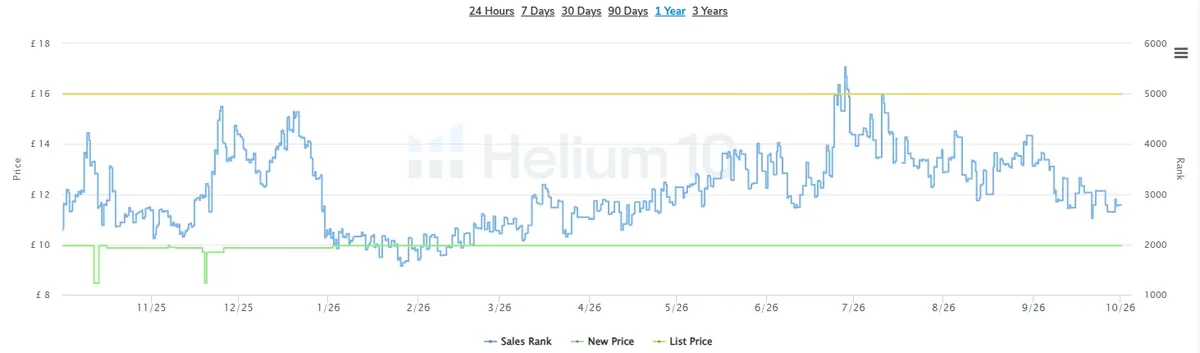
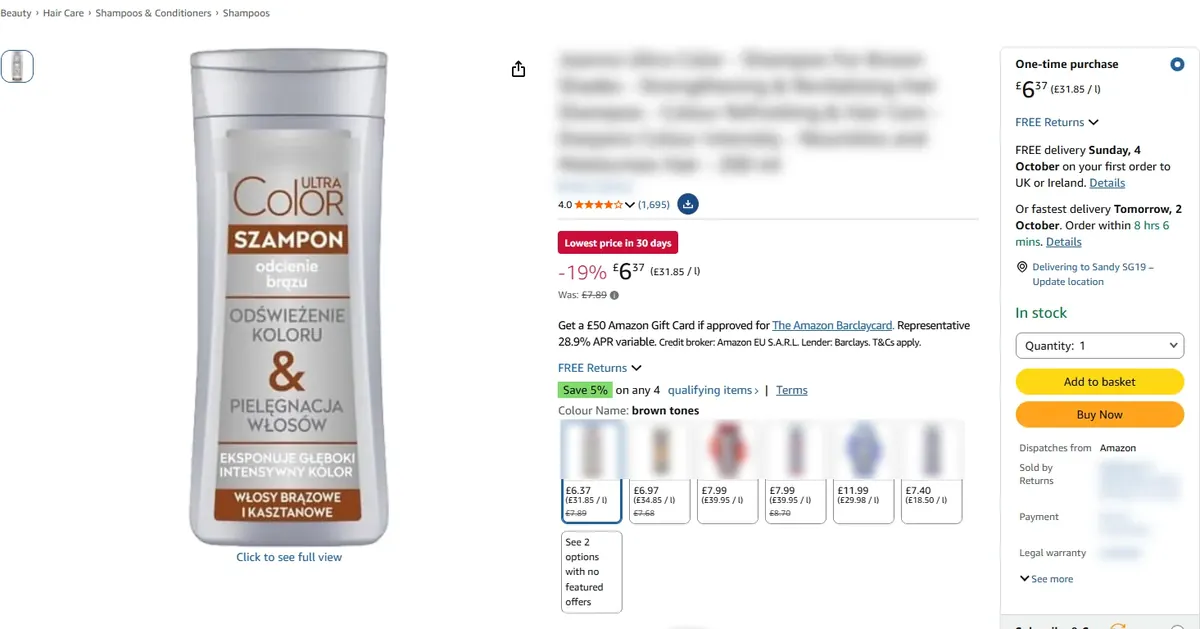
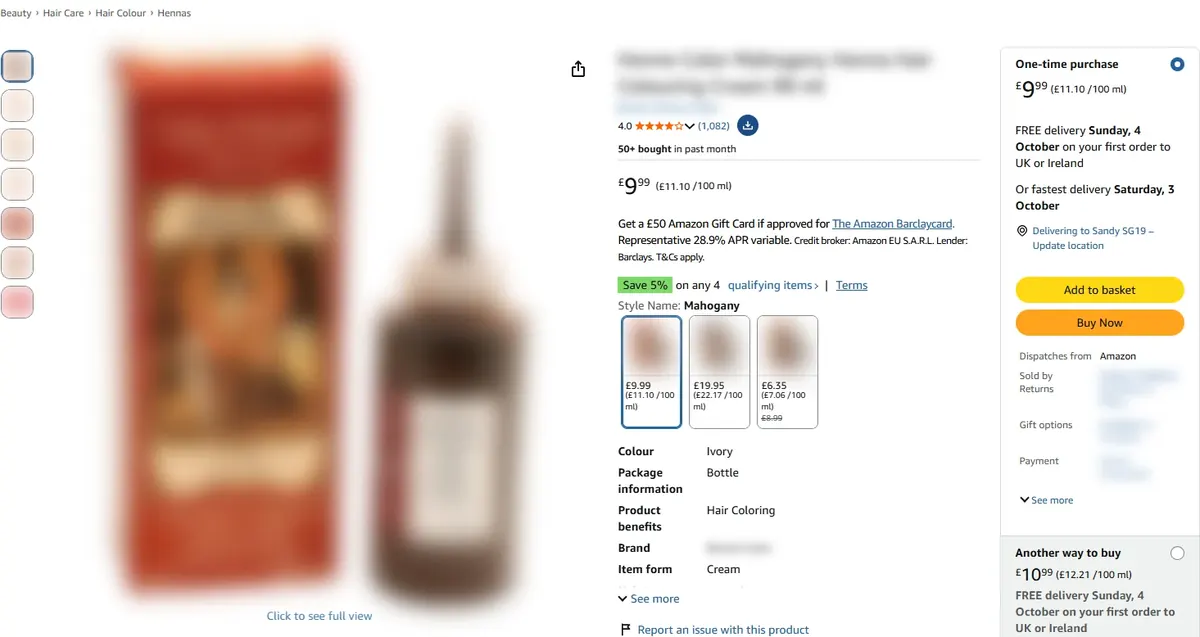
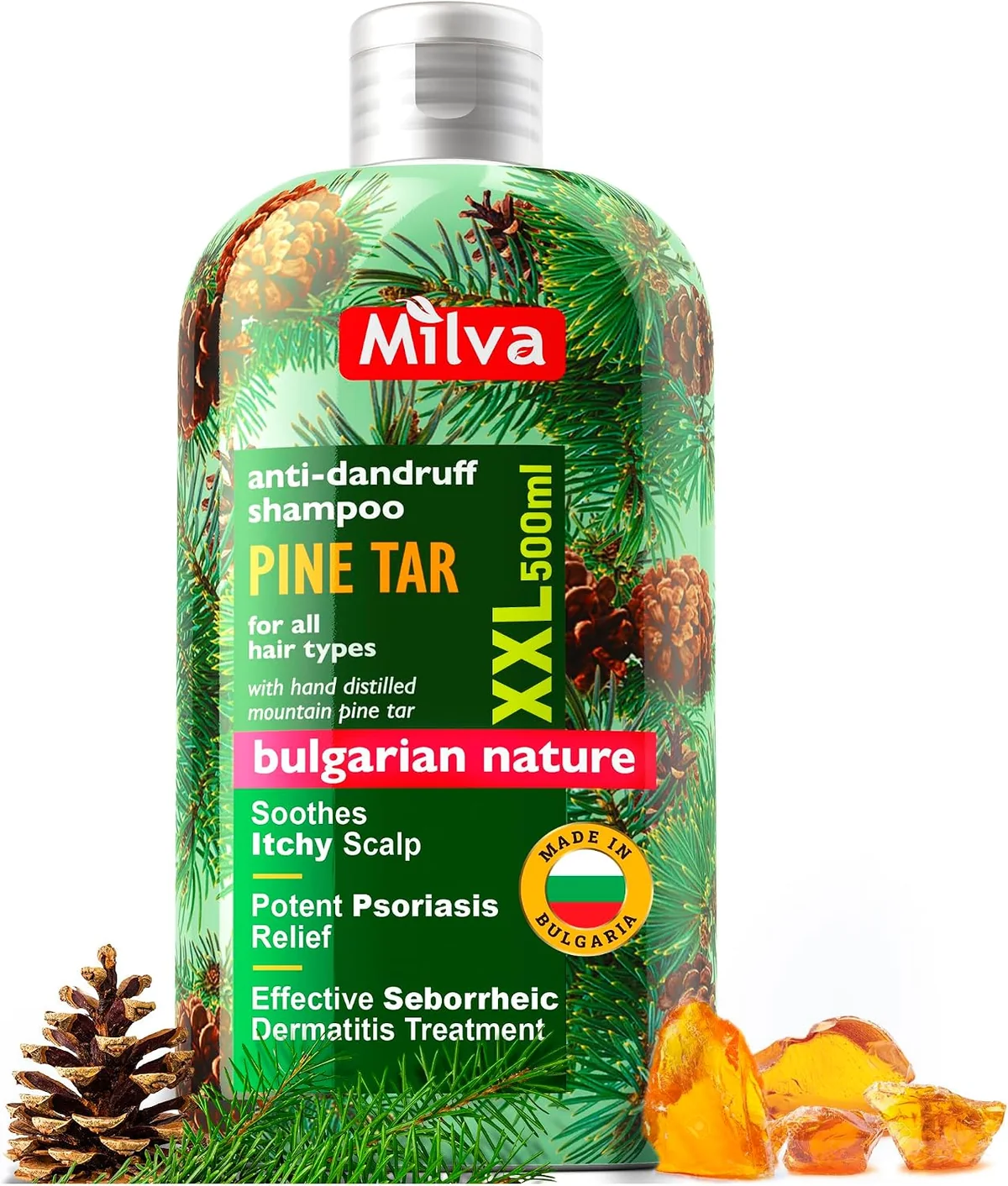
Two real Amazon.co.uk listings, checked on 1 October 2026. On the left, a hair dye anyone can sell. On the right, a shampoo only we sell.
Nobody in chargeBrand hidden
Sellers on the listing16
Price, last 12 monthsAbout £3 to £10, up and down all year
Sales rank, last 12 monthsAbout 14,000 to 70,000
CategoryMake-up › Temporary Tattoos, for a hair dye
Bullet points1, a copy of the title
Who ships itA reseller, from its own stock
Bought in the past month100+
VS
One authorised seller: usMilva, Amazon UK
Sellers on the listing1, us
Price, last 12 months£9.95, apart from two short promotions
Sales rank, last 12 monthsAbout 2,000 to 5,000
CategoryHair Care › Shampoos
Bullet points5, written from search data
Who ships itAmazon, from stock we sent in
Bought in the past month600+
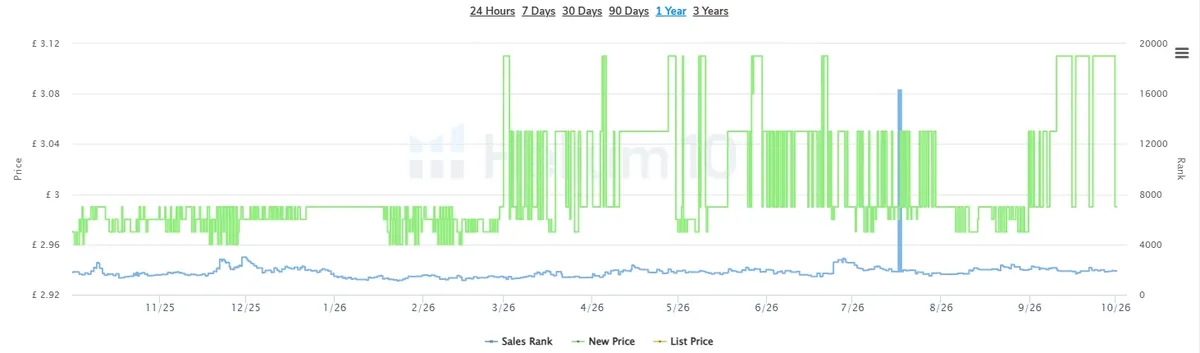
Price (green) and sales rank (blue) · 12 monthsUp, down, up, downNever near its £12.99 list pricePrice (green) and sales rank (blue) · 12 monthsA flat line at £9.95One seller, one price, steady rank
Screenshots: Amazon.co.uk and Helium 10, 1 October 2026. For sales rank, lower is better. Different products, so the sales are not a like-for-like comparison.
02 · When nobody owns the listing
Four things go wrong. Every time.
Every example below is a real listing on Amazon.co.uk today. Brands are hidden: they could be your brand.
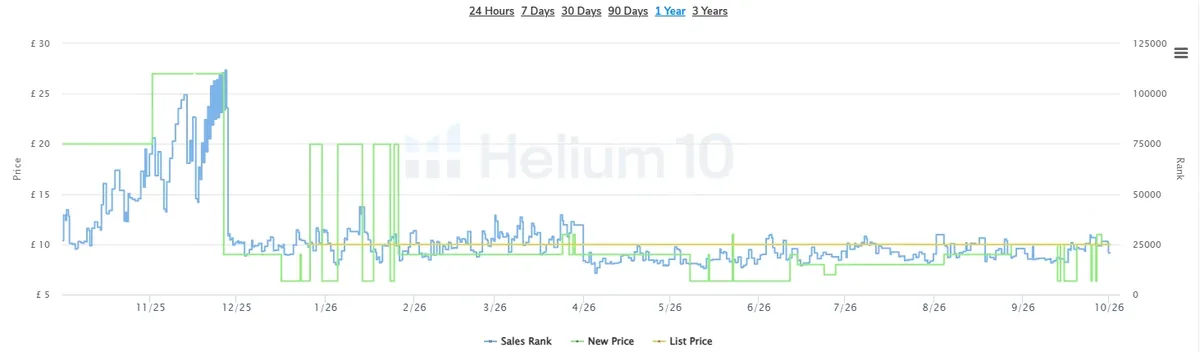
A henna colouring cream: price (green) and sales rank (blue), 12 months · Helium 10
1
A price war on your own product
Every reseller sets its own price. Too high, and sales stop. Too low, and your shops and distributors see the Amazon price and call you.
From under £7 to £27 for the same bottle
At £27, the sales rank fell past 100,000
16sellers on one listingThe cheapest: £1.37 plus £5.90 delivery.
Another listing, 6 sellers: the price flips between £2.98 and £3.10, again and again, all year · Helium 10
2
Anyone can sell your brand
Anyone with a few boxes can join your listing. Nobody asks where the stock came from, how old it is or how it was stored.
16 sellers on a henna hair dye
6 sellers fighting over pennies on another
Shipped by whoever wins the Buy Box
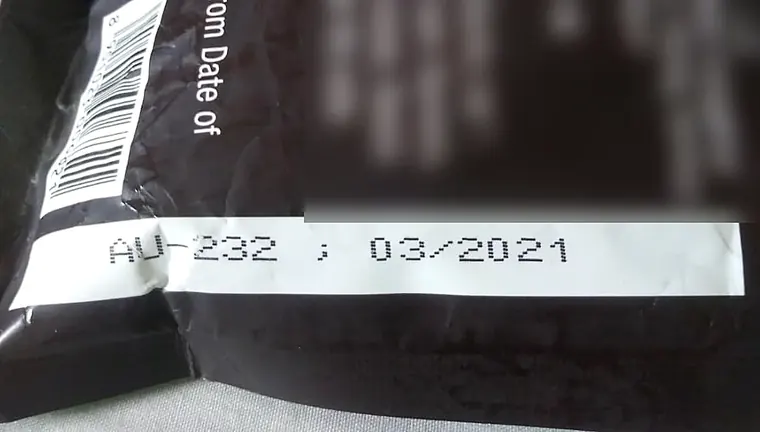
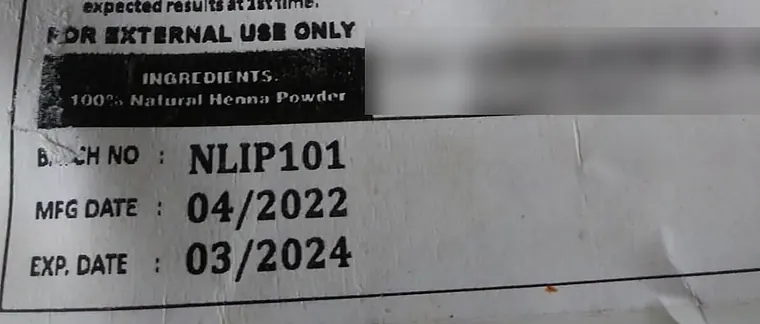
Customer photo: batch 03/2021Same listing, another label: 04/2022
★★★★★"The product is NOT MAHOGANY but is COPPER!!"Verified purchase, Amazon.co.uk. The customer adds: "the seller is plain rude".
3
Old batches, wrong items, bad parcels
Stock that passes through many hands arrives old, mixed up or badly packed. The customer doesn't blame the reseller. The 1-star review stays on your brand.
Different labels on one listing
The review sticks to your brand
1 photo. The pack is in Polish.No bullet points. A mahogany dye listed as "Ivory".
4
Nobody builds the listing
Resellers don't pay for photos, copy, A+ or ads. Why would they? Next month someone cheaper takes the Buy Box. So the listing stays the way it was years ago, and slowly loses ground.
1 image
0 bullet points
Wrong colour and category
03 · The work nobody does
Eight jobs an unmanaged listing never gets.
A listing is not a product page you set up once. Someone has to work on it every week. On a listing with ten resellers, nobody does.
Nobody
With us
SEO title and bullets
Short title, one bullet, no keywords.
Title and bullets built from Amazon's search data.
Nobody
With us
Main image
A small packshot, lost in the search results.
A main image built for the click, then A/B tested.
Nobody
With us
Image gallery and video
One to four photos.
Six or more images, plus video.
Nobody
With us
A+ content
None, or one basic block.
Premium A+ and a Brand Story.
Nobody
With us
Advertising
No ads, so competitors take the clicks.
Sponsored Products and Brands, managed by hand.
Nobody
With us
Ranking and sales velocity
Rankings slip and nobody notices.
Keyword ranks tracked every day.
Nobody
With us
Stock and seasonality
Sold out in the peak season.
Restock planned before the peak.
Nobody
With us
Prep, shipping and reviews
Unknown storage, unknown packing.
Our own team preps and ships every pallet.
04 · Where it leads
Two brands, same start. Different owner.
Watch the two lines. Each step on the green line is something we do. Each step on the red line is something that happens when nobody does it.
With one authorised sellerNobody in charge
With us
1One authorised seller, one stable price
2New title, bullets and main image
3Premium A+, gallery and video
4Ads and daily rank tracking
5Restocked before the peak season
Without anyone
1Resellers join and start a price war
2Old batches and badly packed parcels
31-star reviews land on your brand
4Out of stock in the peak season
5Rankings lost, the listing fades
An illustration of the pattern we see on Amazon, not real data and not a forecast for your brand.
05 · How it works
We don't advise. We become your seller.
Authorised distribution means we put our own money into your stock. That's why we care about the listing as much as you do.
1
We buy your stock
We order and pay for it, like any distributor. The Amazon risk becomes ours.
2
We prep and ship it
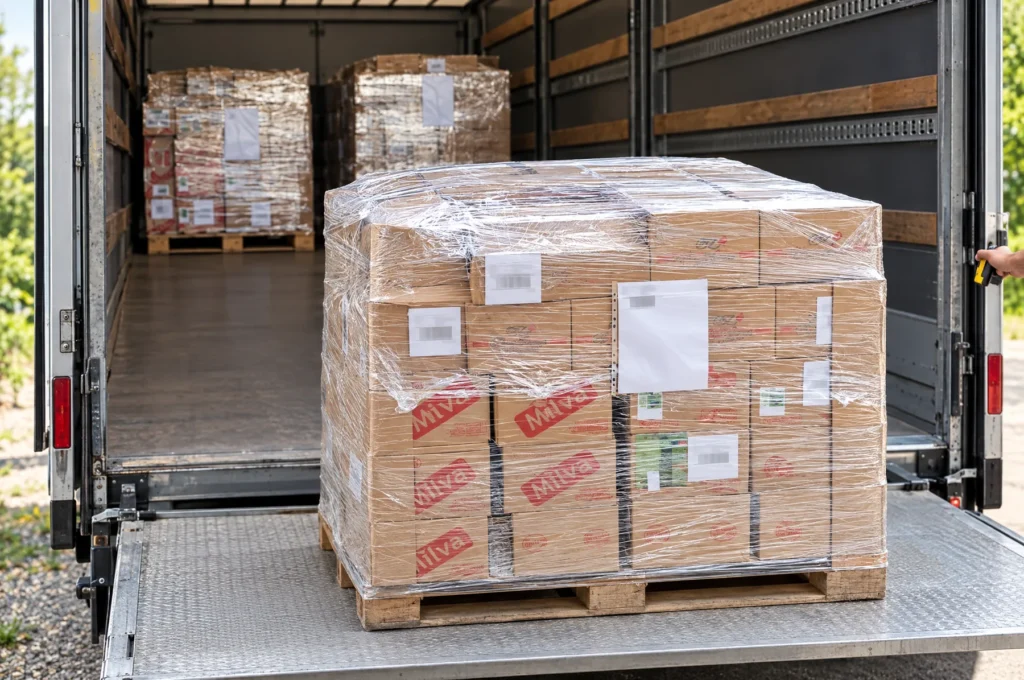
Our own team labels, wraps and ships every pallet into Amazon's warehouses.
3
One seller, one price
We become the only authorised seller and hold the price your shops can live with.
4
We build and run the listing
SEO, images and Premium A+, then our own spend on PPC and Sponsored Brands until it ranks. Every week, not once.
06 · Brands we run this way
Single seller. Steady price. Growing.
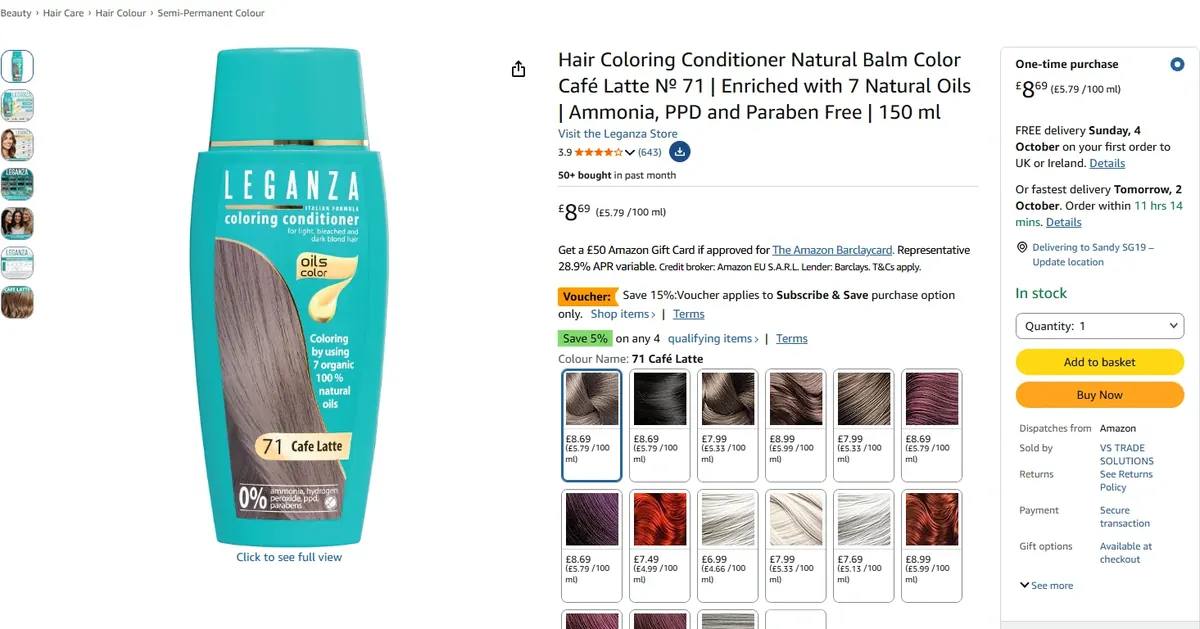
Two of the brands we distribute ourselves on Amazon. Checked on Amazon.co.uk, 1 October 2026.
Up to 1,500 units in peak season, across 16 shades
One seller on every shade: us
One planned price change in three months
Premium A+, Brand Story and ads managed by hand
After the start, we invest too
SEO, PPC and Sponsored Brands, sized to each product. We keep optimising until the listing gains rank, then we hold it. The same work, in our case studies:
Are you ready for one seller? Are we the right one?
Distribution is a partnership: we put our own money into your stock. Four quick questions tell both of us if it can work.
What we look for
A product people already buy, in shops or online
Stock you can supply at distributor prices, on time
One partner for Amazon in the markets we agree
Ready to invest with us: launch stock, a share of listing and launch costs
What you get
We buy the stock and carry the Amazon risk
One seller and one price, so no price war with your shops
After the launch, we invest in SEO, PPC and Sponsored Brands to build rank
08 · Questions
Before you ask
The questions brand owners ask us first.
Who invests what?
Both of us. You give launch stock free of charge and share part of the cost of listing design and launch programmes, depending on the product. We buy the stock, and after the start we invest heavily ourselves: SEO, PPC and Sponsored Brands, sized to the product. We keep optimising the listing with SEO and PPC until it gains rank. See it in our case studies.
Do you really buy the stock?
Yes. As your authorised distributor we place the order and pay for the stock, like any distributor would. On Amazon it is our own money, so we look after the listing as if it were ours.
What happens to the sellers already on my listing?
We list every seller on your listing with you and work out where their stock comes from: usually a wholesaler, a shop or a distributor selling on the side. You close the source, we look after the listing and its content.
Will the Amazon price undercut my shops?
No. We agree the price with you up front and hold it. A price your retailers and distributors can live with is the whole point.
Which marketplaces?
Amazon UK, US, Germany, France, Italy, Spain, the Netherlands and Sweden.
Is it only for beauty brands?
Beauty and personal care are our core, and most of our proof comes from there. We also work with other categories, including fashion.
One seller on your listing
Want your listing back under control?
Answer four questions and we'll tell you honestly if we're the right partner. Or book 30 minutes and talk it through.