Shipping liquids and aerosols using Amazon FBA can be a bit tricky. Too many sellers get delayed, rejected inventory or even account warnings because they missed a small rule. These products are viewed as higher risk from leakage, pressure, and safety concerns during transport. That is, Amazon’s requirements are higher than the requirements for regular items.
If you plan on selling anything like skincare or sprays or cleaning products, you need to understand the rules early on. If you get it right from the start, you’ll save time, money and a lot of unnecessary stress down the road.
Key Regulations for Shipping Liquids and Aerosols
Shipping liquids and aerosols comes with stricter rules than standard goods. These items can leak, ignite, or react under pressure, so carriers and marketplaces set clear limits. You need to check both platform rules and transport laws before sending anything.
Amazon-Specific Requirements
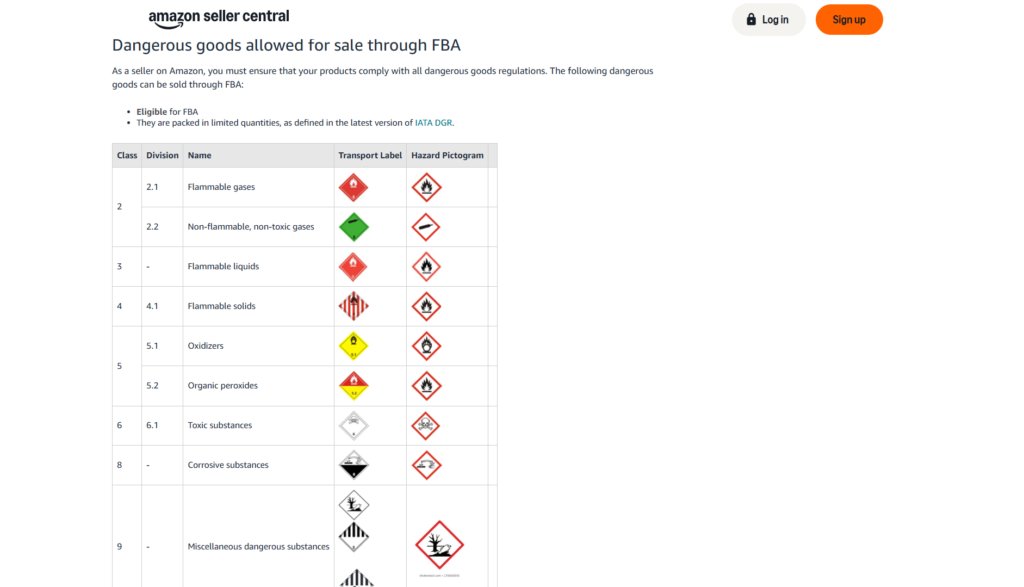
Amazon requires sellers to classify liquids and aerosols correctly in the system. You must provide accurate Safety Data Sheets (SDS) when requested. Products are often reviewed under hazardous materials (HazMat) rules, even if they seem harmless. Packaging must be tight, leak-proof, and able to handle rough handling. FBA shipments may face extra restrictions, and some items are not allowed at all. Labels should clearly show contents and any warnings.
Transportation Regulations
Shipping carriers have strict safety standards, especially for air transport. Liquids must be kept in sealed containers that are approved. Aerosols must comply with pressure and volume limits. Flammable items may be prohibited or limited, depending on the type of transportation.
Proper hazard labelling is also necessary for safe handling along the logistics chain. If you do not follow these rules, your shipment may be delayed, you may be fined, or your goods may be rejected.
Packaging Requirements for Liquids
Packaging is the first thing Amazon checks when you send liquids to FBA. If it leaks once, it can damage other items and stop your inventory from being received.
Core Packaging Principles
Start with a leak-proof container. The bottle or jar must close tightly and hold pressure without cracking. Flip it upside down and shake it; if anything comes out, it won’t pass.
Amazon also expects double sealing. This usually means a secure lid plus an inner seal, like a foil or plastic layer. For some products, you may need to tape the cap or add shrink wrap for extra protection. These small steps reduce the risk during long storage and rough handling.
Recommended Materials
Use materials that contain leaks and protect other items:
- Poly bags with a clear suffocation warning label. These keep any spills contained.
- Absorbent materials inside the bag to catch liquid if the container breaks.
- Strong sealing tape to secure caps and outer packaging.
These are simple but effective. Skipping them often leads to rejected shipments.
Packaging Testing
Testing is where many sellers fail in Amazon FBA. Amazon may simulate real shipping conditions, so your packaging must handle impact and pressure.
A common rule is the 1-meter drop test. Drop the packaged product on different sides. It should not break or leak. You should also check for pressure resistance, especially for liquids that expand with heat.
If your product passes both leak and pressure testing, it’s much more likely to move smoothly through Amazon FBA without delays or penalties.
Packaging Requirements for Aerosols
Aerosols need stricter packaging than most products. The risk comes from pressure and flammable contents.
Unique Risks of Aerosols
Aerosol cans are pressurized. Changes in temperature or rough handling can increase internal pressure. If the valve is weak or exposed, the product may spray or leak inside the box.
Many aerosols are also flammable. Products like sprays or deodorants often contain propellants that can ignite. This is why they face stricter checks, especially in storage and transport.
Packaging Standards
Start with the nozzle. Always use protective caps. This is not optional. The cap prevents accidental pressing during handling. Without it, even light pressure can release the product.
Next, fix the position of each can. Do not let items move freely inside the box. Use inserts, dividers, or padding to hold them in place. Movement leads to friction and impact, which can trigger discharge.
Follow these basic steps:
- Place each aerosol upright when possible
- Add cushioning materials between items
- Fill empty space to stop shifting
- Seal the box tightly with strong tape
Temperature control matters. Avoid storing aerosols in hot environments. High heat increases pressure inside the can. This can cause swelling, leakage, or failure.
Before shipping, test your packaging. Shake the box, press lightly on the top, and check stability. If anything moves or feels loose, fix it. Tight, stable packaging reduces risk and helps your shipment pass Amazon FBA checks smoothly.
Labeling and Documentation
Amazon has more checks for liquids and aerosols, as they pose safety risks.
Required Labels
Start with the FNSKU. Every unit must have one, and it must be easy to scan. Place it on a flat surface, not on curves or edges. Remove or cover any other barcodes to avoid confusion during receiving.
For liquids and aerosols, hazard labels are often required. These depend on the product. Flammable sprays, for example, need clear warning symbols. Do not place labels randomly. Keep them visible and not blocked by other stickers or packaging layers.
Quick checks before shipping:
- FNSKU label on each unit
- No overlapping barcodes
- Hazard labels match product type
- Labels are clear and scannable
Required Documentation
Documents tell Amazon how to handle your product. The most important one is the Safety Data Sheet (SDS). It shows the ingredients, risks, and handling instructions. Without it, many liquid and aerosol products cannot enter FBA.
Your product listing must also match what you send. If it’s flammable or pressurized, say it clearly. Mismatched details often trigger manual reviews. Some categories also require compliance certificates. These confirm your product meets safety and transport rules.
Dangerous goods classification sits alongside VAT, EPR and labelling obligations. All of them are mapped in our Amazon EU compliance guide.
Conclusion
Shipping liquids and aerosols with Amazon FBA is not hard if you follow the rules. Pack items tightly, seal them well, and label them clearly. Check every unit before you send it out. Small mistakes can lead to delays or lost stock. Keep your process simple and consistent. When you do it right from the start, your products arrive safely, pass checks, and sell without trouble.
1. Do all liquid products require a Safety Data Sheet (SDS)?
Not all, but many do. Amazon may request an SDS to verify safety, especially if the product could be considered hazardous. It’s best to prepare one in advance.
2. Can I ship aerosols to Amazon FBA using air shipping?
It depends. Many aerosols are restricted or limited for air transport due to pressure and flammability risks. Always check carrier and Amazon rules before shipping.
3. What is the most common reason liquid shipments get rejected?
Poor packaging. Leaks or weak seals are the main causes. Using double sealing and proper protective materials helps avoid this issue.