
Amazon FBA has strict rules on labelling and packaging. Little mistakes here can create bigger problems than most sellers expect. Items can be delayed, returned, or rejected at Amazon warehouses. Some sellers also lose money on rework or other fees. Here are the top 6 mistakes a lot of sellers make in Amazon FBA, especially in labelling and packaging.
Understanding Amazon FBA Requirements

Before sending products to Amazon warehouses, there are a few basic FBA rules sellers should adhere to.
Key Labeling Rules (FNSKU vs UPC)
Amazon FBA uses product labels to track inventory inside its fulfillment centers. In most cases, sellers must choose between an FNSKU label and a UPC barcode. The FNSKU is an Amazon-specific code linked directly to your seller account. It helps keep your inventory separate from other sellers using the same listing.
A UPC is the regular barcode seen on retail products. Amazon sometimes allows UPCs, but products may become part of shared inventory; because of that, many private label sellers still prefer using FNSKU labels for better control.
Core Packaging Standards You Must Follow
Packaging is a crucial aspect in Amazon FBA. Product should be delivered safely and easily to the warehouse. Boxes should be securely closed, and goods that are fragile should be packaged sufficiently when being transported.
Sharp or breakable objects need additional covering and poly bags should be labeled. You will have it so that each barcode remains visible and easy to scan when products arrive at the fulfillment center.
1. Incorrect or Missing FNSKU Labels
Many sellers mix up FNSKU labels with normal UPC or manufacturer barcodes. This means products can arrive at Amazon warehouses with the wrong barcode system attached. If this were to happen, Amazon may have a hard time knowing which seller owns that inventory.
Common mistakes are:
- Some units are missing FNSKU labels
- UPC barcodes instead of Amazon FNSKU labels
- Placing labels over product information or packaging seals
- Printing out blurry or low-quality barcodes
These problems often result in delayed check-ins, relabelling charges or stranded inventory. For new sellers, it’s usually by rushing the preparation process and sending products to Amazon FBA.
How to fix it?
Before submitting inventory, please ensure you:
- Print clear and correctly sized labels
- Attach labels that can be read by scanners
- Cover old manufacturer barcodes (if necessary)
- Check each unit twice before packing the shipment
Taking a few minutes to check products can save sellers from unnecessary Amazon FBA fees and inventory delays later on.
2. Poor Label Placement
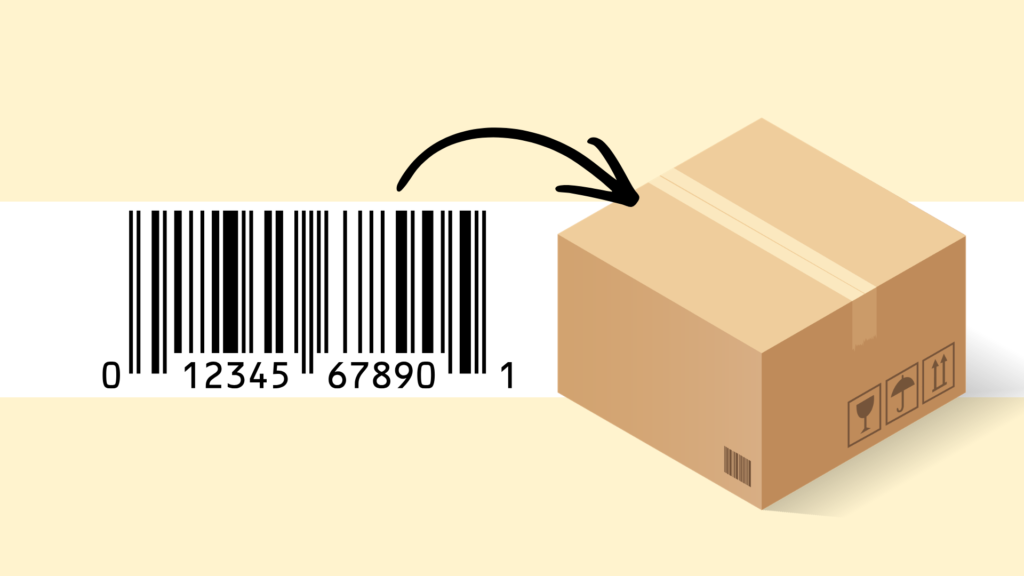
A common mistake is to label curved surfaces, such as bottles, jars, or rounded packaging. Barcodes can be distorted and become difficult to scan. Some sellers also put labels under clear tape, which glares and makes scanners unable to read them at Amazon fulfilment centers. Sometimes when shipped, the labels are folded partially around the edges or covered by packaging material.
How to fix it?
Sellers should place FNSKU labels on flat, smooth surfaces whenever possible to improve scan accuracy. Labels must be clearly visible and free from any wrinkles, tape, or damage. It is important that the barcode is in contrast to the background. If the printing is faded, it may not be scanned. Proper, legible labels translate to faster processing for Amazon and fewer unnecessary FBA issues.
3. Ignoring Prep Requirements
A bunch of shipment delays come from sellers who just skip over the basic prep rules of Amazon FBA. I think the usual issues are things like forgetting poly bags altogether, or seals that are not strong enough, and then shipping products with no suffocation warnings on them.
Those mistakes might look small at first, but they end up causing bigger problems, like the inventory getting refused right there, or extra fees piling up, and delays when it hits the warehouse check-in.
How to fix?
The way to avoid this is to grab sturdy clear poly bags that cover the whole product, no gaps or anything. You have got to close them up tight so nothing opens during shipping, that part is key. If the bag opening ends up bigger than five inches, just stick on a big suffocation warning label where it is obvious.
Before you pack any inventory, it is worth checking the latest FBA prep guidelines on Amazon. They update them sometimes and you do not want to miss that.
4. Overpacking or Underpacking
Packing mistakes can jack up the costs and wreck the stuff on the way. Overpacking increases weight and space requirements and thus increases shipping costs. It also consumes materials and lowers the packing efficiency.
However, if you underpack, unprotected products will remain. Products can shift within the box, resulting in scratches, cracks, or damage to parts when the box is delivered.
How to fix?
Businesses must select the packaging that is just right for the product, depending on its size and fragility. Strong boxes, bubble wrap, air pillows, and protective inserts help prevent damage without adding unnecessary weight. It is also important to keep packaging compact while still providing enough protection.
5. Incorrect Outer Carton Labeling
Labeling mistakes, incorrect shipments or no label at all can result in delayed deliveries, confusion at the warehouse, and loss of inventory. An incorrectly scanned carton label could result in the document being refused or delivered to the wrong address. This can happen when a seller applies an outdated label or a label in a location that is not easily visible or when the label is of poor quality.
How to Fix
Always print carton labels directly from the shipping plan to make sure the information is correct. Read all labels before mounting onto box. Label visible sides of carton to make it easy for warehouse personnel to scan. Do not apply tape to labels or put them on the edge of the boxes.
6. Not Updating Packaging After Changes
Sometimes the packaging will change, but the SKUs and labels will remain the same. This leads to confusion in inventory, shipping mistakes, and product mismatch on customer shelves. Products may be different from what is displayed on the Internet. It also makes it more difficult to keep track of the stock and decreases the overall accuracy of operations. These minor errors can escalate to larger problems along the supply chain if not corrected early.
How to Fix
- Keep SKU records up to date when packaging changes.
- Ensure packaging design is synchronized with the inventory system
- Prevent any inconsistency in staff by training them to identify it early.
- Perform an audit of stock vs system data periodically
EPR registration is one of six compliance layers a European launch triggers. The rest are laid out in our Amazon EU compliance guide.
Conclusion
Amazon FBA labeling and packaging mistakes can easily slow down your business and create unnecessary costs. Most of these problems come from small details being overlooked. If you prepare carefully and follow Amazon’s requirements, you can avoid most issues.
1. What is a common Amazon FBA labeling mistake?
A common mistake is using the wrong barcode or placing the label in the wrong position. This can make products hard to scan and cause delays in Amazon’s warehouse.
2. Why is packaging important in FBA?
Packaging is important because it keeps products safe during shipping and storage. Good packaging reduces the risk of damage, returns, and negative customer experiences.
3. How can sellers avoid FBA mistakes?
Sellers can avoid mistakes by carefully reading Amazon’s requirements and double-checking labels and packaging before shipping. A simple check can prevent costly errors.