When expanding a DTC Brand in Europe, most founders end up asking the same question early on: Should we start with the UK or Germany? It’s a fair question. These two markets come up again and again because they offer faster paths to real revenue, solid infrastructure, and clear signals of product–market fit.
The UK, in particular, stands out. With its ecommerce market projected to reach £286 billion by 2025, it remains one of the most attractive entry points for DTC brands looking to establish a foothold in Europe.
If you’re weighing these two options and want a clear, practical answer without overthinking it, this article is for you.
Logistics & Fulfillment: Speed vs Scale
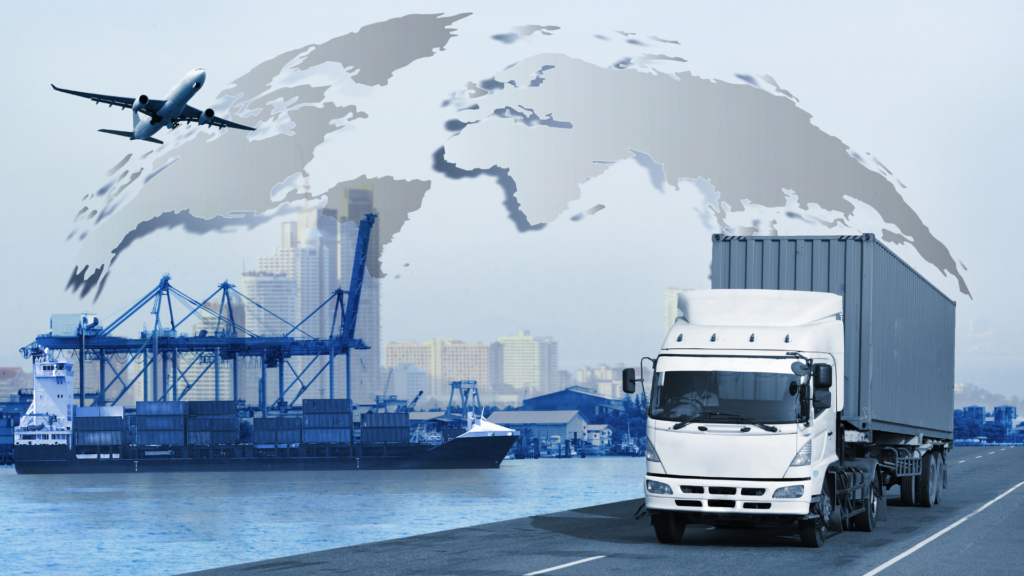
Logistics is where your expansion plan becomes real. Ads and branding matter, but fulfillment decides whether customers come back. When expanding a DTC Brand in Europe, the UK and Germany offer two very different logistics advantages. One favors speed. The other favors scale.
UK
The UK is built for fast launches. You can set up local fulfillment quickly, often with fewer moving parts. Many 3PLs are used to working with DTC brands that want to move fast and test ideas. Onboarding is usually simple, and communication is easy since everything runs in English.
Shipping times inside the UK are short. Next-day or two-day delivery is common and expected. This helps new brands win early trust without heavy logistics investment. Returns are also easier to manage, which matters a lot when you’re still learning what customers like.
Another advantage is flexibility. You can start with smaller inventory levels and adjust quickly. If a product doesn’t move, you pivot. If one SKU takes off, you restock quickly. For founders asking, “Can we launch in Europe within weeks, not months?” the UK often says yes.
The trade-off? The UK is no longer a logistics hub for the EU. If your goal is to ship easily across multiple European countries, the UK will feel limiting over time.
Germany
Germany plays a different game. Setup takes more effort, but the payoff is scale. German fulfillment centers are designed for volume, precision, and cross-border shipping. Once you’re live, you can serve not just Germany, but much of the EU efficiently.
Delivery expectations are high. Customers expect accurate tracking, fast shipping, and clear return policies. This pushes brands to build stronger operations from day one. It feels heavy early on, but it creates discipline.
Germany shines in centralization. One well-placed warehouse can cover several EU markets with competitive shipping times. That’s a big advantage if your roadmap includes France, the Netherlands, or Austria next.
Tax & Regulatory Complexity: VAT, Compliance, Risk

Taxes and compliance are not the most exciting topics, but they can make or break your expansion.
UK
The UK is generally more founder-friendly when it comes to tax and regulation. VAT registration is straightforward, and the rules are easier to understand, especially if you already operate in English-first markets like the US or Australia. For many DTC brands, this removes a big mental barrier at launch.
Compliance requirements are lighter. Product regulations exist, but enforcement is less rigid compared to Germany. This gives early-stage teams room to move fast, test products, and learn without constantly worrying about penalties. If you’re asking, “Can we stay compliant without hiring a full legal team?” the UK often feels manageable.
Another benefit is predictability. Once you understand UK VAT and import duties, there are fewer surprises. Reporting cycles are clear, and most accounting tools already support UK rules well. This reduces operational risk when your focus should be on demand and retention.
The main downside is Brexit. Selling from the UK into the EU adds complexity later. You may need additional VAT registrations or restructure your setup if EU expansion becomes a priority.
Germany
Germany sits on the opposite end of the spectrum. Tax and compliance are stricter, more detailed, and less forgiving. VAT rules are tightly enforced, and errors can lead to fines or delayed operations. This alone makes Germany feel intimidating to new entrants.
Regulatory expectations are high. Product labeling, packaging laws, recycling requirements, and consumer protection rules all matter. German customers notice these details, and regulators do too. This forces brands to build compliant systems from day one.
That said, there is a clear upside. Once you’re compliant in Germany, expanding across the EU becomes much easier. Germany follows EU-wide standards, so your legal foundation can support multi-country growth. For brands with proven product–market fit, this structure reduces long-term risk.
Consumer Demand & Buying Behavior
Understanding how people buy is critical when expanding a DTC Brand into Europe.
UK Consumers
UK shoppers are open and fast-moving. They like discovering new brands and don’t need much convincing to try something new. A clean website, clear value proposition, and strong social proof often do the job. This makes the UK ideal for early traction.
Price matters, but convenience matters more. Fast shipping, simple returns, and flexible payment options drive decisions. Many customers are comfortable buying without deep research. Ever noticed how quickly UK customers move from ad click to checkout? That’s common.
UK consumers also respond well to branding and storytelling. Email, paid ads, and influencer content can show results quickly. Feedback loops are short. You learn fast what works and what doesn’t. For founders who want signals early, this behavior is a big advantage.
German Consumers
German shoppers are more cautious. Trust comes first. They spend time comparing products, reading policies, and checking reviews. A rushed setup rarely works here.
They care deeply about details. Clear pricing, formal language, and transparent delivery terms are expected. Payment methods like invoice or bank transfer still matter. Skipping these can hurt conversions.
Once trust is earned, loyalty is strong. German customers tend to stick with brands that deliver consistently. Returns are lower, and repeat purchases are common. Growth feels slower at the start, but it’s more predictable over time.
Cost Structure & Unit Economics
When expanding a DTC Brand into Europe, cost structure is not just about “cheap vs expensive.” It’s about where the money goes and how fast you get it back. The UK and Germany create very different unit economics from day one.
In the UK, early costs are easier to control. Paid ads usually cost less to test, especially on Meta and Google. CPMs are lower than in Germany, and conversion rates stabilize quickly. This keeps CAC predictable in the first 60-90 days. Fulfillment is also flexible. Many brands start with small inventory and local 3PLs, keeping storage and pick-and-pack fees manageable. Returns are higher than in Germany, but processing costs are lower and faster.
Margins in the UK depend heavily on volume. Shipping is cheap domestically, but scaling across Europe from the UK increases per-order costs. Long-term unit economics can flatten if expansion stops at the UK level.
Germany looks heavier upfront. Localization costs, legal setup, and compliance add fixed expenses early. CAC is higher at launch because customers convert more slowly. However, returns are lower, and the average order value is often more stable. Once volume increases, fulfillment costs drop sharply. One warehouse can serve multiple EU markets, improving cost per order.
Which Market Should You Enter First?
Which one fits your current stage when expanding a DTC Brand in Europe?
Choose UK First If:
You run an early-stage DTC brand: The UK is forgiving. You can launch without perfect localization or a heavy legal setup. This matters when the team is small and learning fast.
You want to test European demand: The UK gives fast signals. Ads go live quickly. Customers respond fast. You’ll know within weeks if pricing, messaging, or product-market fit works in Europe.
Your operations resources are limited: UK fulfillment is easier to manage. English-only support works. VAT and compliance are simpler. You can focus on demand instead of paperwork.
Choose Germany First If:
Your product market fit is already proven: You’ve validated demand elsewhere. You know your conversion drivers. Germany rewards brands that arrive prepared, not experimental.
Your LTV is high: Higher upfront costs make sense when customers stay longer. German buyers return more often and churn less. This stabilizes unit economics over time.
You plan to scale across the EU quickly: Germany acts as a central hub. One compliant setup can unlock multiple EU markets. France, Austria, and the Netherlands are the next steps.
If you land on the UK, the practical question becomes who builds the listings and runs the advertising. That is our work as an Amazon agency in the UK.
Deciding to expand is one thing; sequencing the markets, registrations and listings so they hold together is another. That is what we do on Amazon Europe expansion projects.
Conclusion
There’s no single right answer when expanding a DTC Brand in Europe. The best choice depends on where your business stands today. The UK helps you move fast, test demand, and learn with lower risk. Germany rewards preparation, patience, and long-term thinking.
So ask yourself one simple question: do you need speed or scale right now? Start with the market that matches your current reality, not your future ambition. Get one country right first. Europe will be much easier after that.
FAQs
1. Should you start with the UK or Germany when expanding a DTC Brand in Europe?
Start with the UK if you want speed and early signals. Choose Germany if your product-market fit is proven and you’re ready to scale long term.
2. Which market is better for testing European demand quickly?
The UK. Ads launch faster, customers convert sooner, and feedback comes within weeks instead of months.
3. Which country works better for long-term EU expansion?
Germany. Strong logistics, strict standards, and a central location make it easier to expand across the EU once you’re established.