Shoppers on Amazon don’t see you; they see ratings, reviews, and quick answers. If those signals feel thin or shaky, they bounce. To build trust on Amazon, you need proof that real people bought, used, and liked your product, plus clear responses when doubts pop up. That means earning honest reviews, guiding customers to leave them, and staying active in the Q&A section.
Done right, these two areas answer objections, reduce returns, and lift conversions. Done poorly, they expose gaps fast. Here’s how to use reviews and Q&A to create credibility that actually sells and keeps your brand steady over time.
The Role of Reviews and Q&A in Amazon Purchase Decisions
Reviews and the Q&A section do a large part of the work. When shoppers land on a listing, they rarely rely only on the product description. They want to see what real buyers experienced.
These sections help shoppers make sure that a product does what it says it will do. They are also very important for helping brands build trust on Amazon, especially when buyers look at a lot of listings that look alike.
How Customers Evaluate Products on Amazon
94-95% of shoppers do so before making a purchase. After looking at the price and rating, it’s usually the first thing they check. A product with hundreds of good reviews feels safer than one with only a few.
They also scan both the rating score and the written reviews. A high average rating shows that something is reliable, and detailed feedback shows how well it works in the real world. People look for patterns, such as recurring complaints, durability issues, or comments about the product’s quality. A few honest bad reviews can make a listing seem more trustworthy.
Social Proof in E-commerce
Q&As and reviews are types of content made by users. They show how real customers use a product after they buy it.
This kind of social proof makes people less likely to hesitate. People feel less nervous about buying something when they see other people confirm that it works as expected. That kind of reassurance is one of the best ways for brands to build trust on Amazon and turn browsing into sales.
How Amazon Reviews Build Customer Trust
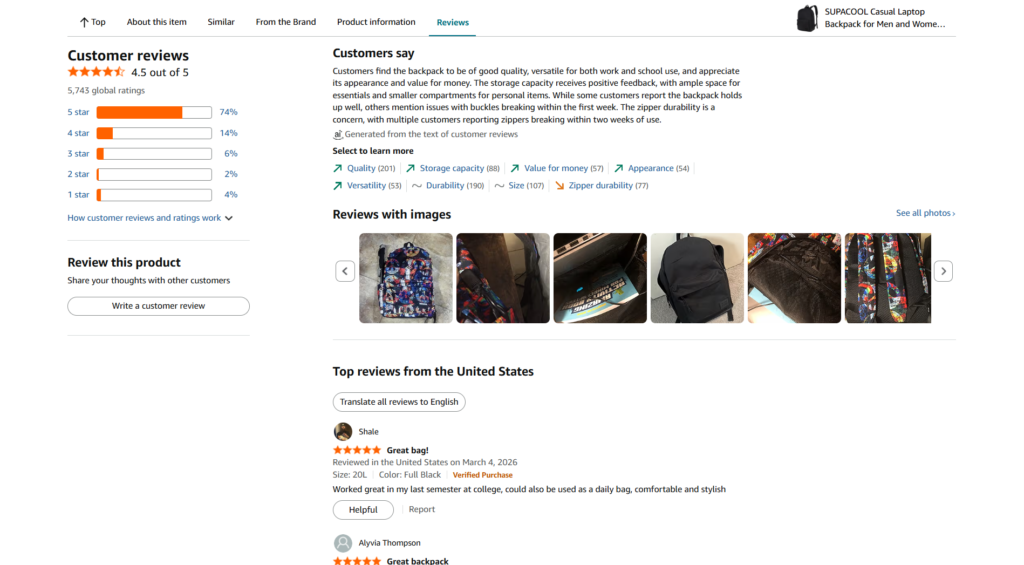
Shoppers don’t just look at pictures and descriptions of products. They want proof from other people who have bought it.
Real Customer Experiences Increase Credibility
Reviews show how well a product works in the real world. Product descriptions talk about features, but reviews show how those features really work once you get them.
Customers talk about things that matter during daily use, durability, comfort, size accuracy, packaging quality, or whether the product matches the photos. These details help potential buyers understand both the strengths and the weaknesses of the item.
Honest feedback increases credibility. When shoppers see balanced opinions instead of overly perfect praise, the product feels more trustworthy.
Ratings Influence Conversion Rates
Star ratings have a big impact on what people buy. A lot of shoppers only look at products with ratings of four stars or higher. A listing with a high rating quickly shows that it is reliable and of good quality.
Higher ratings also make it more likely that people will click on your ads and buy something. When buyers look at a lot of similar listings, the one with more reviews and better ratings usually wins.
A small change in rating can make people pay more attention. Even if the price and features are the same, a product with a 4.6 rating usually gets more buyers than one with a 4.1 rating.
Positive Reviews Strengthen Brand Reputation
Consistent positive reviews do more than sell one product. They strengthen the overall brand image. Shoppers begin to associate the brand with reliability and quality.
Over time, strong feedback creates a reputation that carries across multiple listings. Buyers feel more comfortable purchasing from a brand that already has visible customer satisfaction.
For sellers, reviews become a long-term asset. They support credibility, improve conversions, and help brands build trust on Amazon through real customer validation.
Strategies to Get More Amazon Reviews
Getting more reviews starts with how you treat your product and your customers. Focus on giving a great experience, and feedback will follow. Here are key steps you can take:
Deliver High-Quality Products
Good reviews start with good products. Make sure your items work as promised. Check for defects and quality before shipping. Packaging should be neat and secure. When customers are happy with what they get, they leave reviews naturally.
Use Amazon’s Request a Review Feature
Amazon has a button to ask buyers for a review. It sends a simple, standard message. Don’t worry about pushing customers. Ask soon after the product arrives. Timing matters. A fresh experience makes it easier for them to write feedback.
Provide Excellent Customer Support
Answer questions quickly. Solve problems politely. Even a small issue can turn into a bad review if ignored. Fix it fast, and many customers will leave positive feedback instead. Good support shows you care.
Follow Up with Customers
Send a short, friendly note after delivery. Thank them and check if they are happy. Keep it simple. A polite reminder helps customers remember to leave a review. Follow-ups show you value their opinion.
The Value of Amazon Q&A for Buyers
Amazon Q&A helps buyers understand products better. It gives extra details that product descriptions often miss. Questions and answers build trust and make shopping easier.
Helping Customers Understand the Product
Q&A shows real information about the product. People ask about size, color, material, or special features. Sellers or other buyers answer. This helps new buyers know exactly what they will get. Clear answers reduce confusion.
Reducing Purchase Uncertainty
Many buyers hesitate because they are unsure if the product will work for them. Q&A answers common questions before purchase. When buyers get clear information, they feel confident. This also lowers the chance of returns or bad reviews.
Creating Transparency in Product Listings
Q&A makes listings more open and honest. Buyers see that sellers answer questions honestly. This builds trust and sets correct expectations. Customers know what to expect and feel safer buying.
Optimizing the Amazon Q&A Section
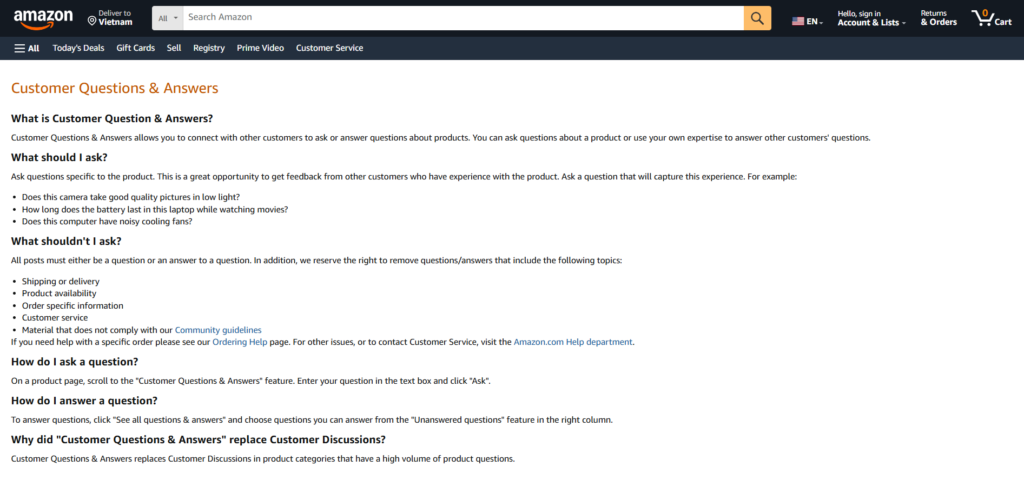
A strong Q&A section can boost buyer confidence and reduce returns. It shows you care about your customers and keeps your listing clear.
Respond Quickly to Customer Questions
Speed matters more than you think. When a question sits unanswered, it signals neglect and creates doubt. Buyers hesitate. Some leave. Set a routine to check your Q&A daily, or at least several times a week. If you sell high-volume products, check it more often.
Short response time builds trust. It shows there’s a real person behind the listing. You don’t need perfect wording; clear and helpful is enough. Even a quick “Yes, this fits X model. I’ll add more details shortly” is better than silence. Then come back and expand your answer.
Provide Detailed and Honest Answers
Vague answers kill conversions. Customers ask because something isn’t clear in your listing. Fix that gap. Be specific, including dimensions, compatibility, materials, and real use cases. If there’s a limitation, say it. Honesty reduces returns and bad reviews later.
Avoid copy-pasting your product description. Instead, tailor the answer to the question. If someone asks about durability, share actual usage scenarios. If sizing is confusing, break it down simply. Think like a buyer standing in a store, asking you directly.
Address Common Concerns with FAQ-Style Answers
After a while, patterns become obvious. The same concerns keep showing up. Instead of rewriting answers every time, structure them like a mini FAQ.
Keep it tight:
- One clear question
- One direct answer
- No extra fluff
This builds a useful reference for future buyers scrolling through the Q&A.
More importantly, treat repeated questions as feedback. If customers keep asking about sizing, shipping, or durability, your listing isn’t clear enough. Fix it there, better images, sharper bullet points, clearer descriptions. The goal isn’t just to answer questions, but to reduce how many get asked in the first place.
Conclusion
People trust Amazon because they do simple things well. People read reviews to find out if other people really used the product and liked it. Then they look at the Q&A section to make sure it meets their needs. When both parts are clear and easy to understand, they help buyers feel more at ease and build trust on Amazon.
You don’t have to use fancy words or give perfect answers. Just be honest, clear, and answer like a normal person. Buyers stop worrying too much when they see that. These little interactions add up over time, and your product starts to feel more reliable without you having to try too hard.
1. Why are reviews important on Amazon?
Reviews give potential buyers real insights from other customers, helping them feel more confident and secure before making a purchase.
2. How can Q&A boost trust?
Answering questions quickly and clearly shows that the seller cares about their customers and understands their products well.
3. What should sellers do to get good reviews?
Focus on providing high-quality products and excellent customer service, then politely encourage satisfied buyers to leave honest feedback.