Selling on Amazon is no longer just about listing products and waiting for orders. Shoppers want to know who you are and why they should trust your brand. That’s where your Brand Story comes in, but if it sounds generic, it won’t do much.
The approach now is sharper: clear messaging, real value, and a direct link to what customers actually care about. A strong Amazon brand story doesn’t need to be long. It needs to be relevant, specific, and easy to remember. Done right, it turns casual browsers into buyers without feeling forced.
What is an Amazon Brand Story?
An Amazon brand story is the section where you explain who you are beyond the product. It sits on your product page, but it’s not about features or specs. It’s about your brand, how you started, what you believe in, and why your products exist. Done right, it gives context to everything you sell.
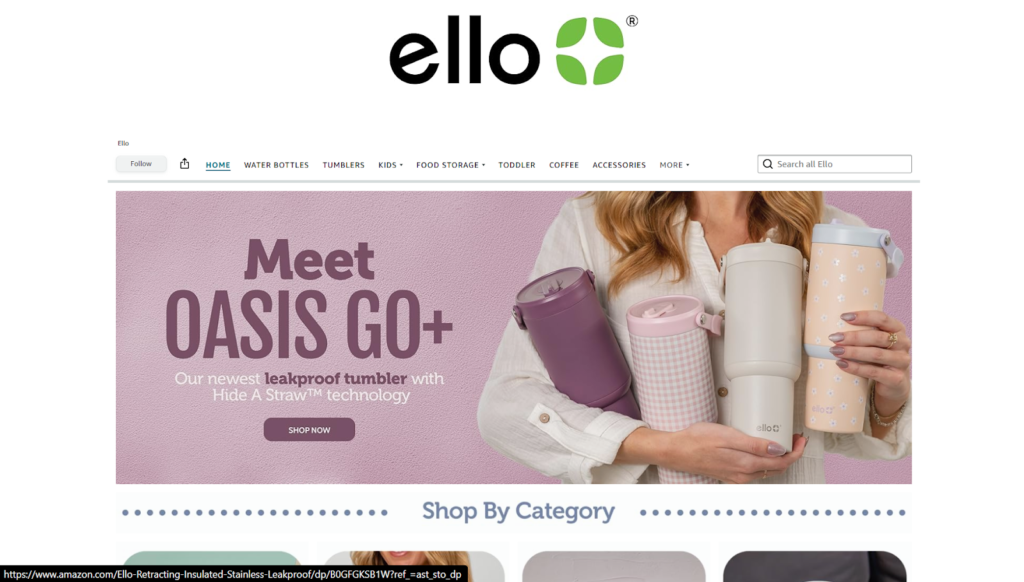
A regular listing focuses on selling fast. It highlights benefits, images, keywords, and price. A listing with a Brand Story goes deeper. It connects the product to a bigger picture, so the buyer understands the “why” behind it.
Here’s the difference in simple terms:
- Amazon standard listing: product-focused, built to convert quickly
- Amazon brand story listing: brand-focused, built to build trust first
When your Brand Story is clear and specific, it builds trust almost instantly. Shoppers feel like they understand who they’re buying from. That small shift makes a big difference, especially in crowded categories where products look similar. Products with a clear brand story can increase conversion rates by up to 30% compared to standard listings.
It also keeps people on your page longer. Instead of skimming and leaving, they slow down, read, and explore. That extra time increases the chance they’ll notice details they might have missed.
And when buyers connect with your story, the decision becomes easier. They’re not just comparing features or prices anymore. They’re choosing a brand that feels right, which often leads to higher conversion without needing to compete on price.
Key Elements of a Winning Amazon Brand Story
The following elements help shape a story that actually converts.
Authenticity
Customers can tell when a story is forced. On Amazon, where buyers scroll fast and compare quickly, a brand needs to feel real right away. That means showing where the product comes from, why it exists, and who is behind it.
Simple ways to make it feel real:
- Show the founder or team behind the brand
- Share the original problem that led to the product
- Use real photos instead of overly polished stock images
For example, a small skincare brand that clearly states it started in a home kitchen to solve sensitive skin issues feels more believable than one that just says “premium quality.” It doesn’t need to be perfect; honesty builds trust faster than polished lines.
Value Proposition
A good story connects directly to what the product actually does. If the story sounds nice but doesn’t explain why the product is useful, it loses impact.
Take a reusable water bottle brand. Instead of only talking about sustainability, they explain how their double-wall insulation keeps drinks cold for 24 hours. The story then ties back to reducing single-use plastic. Customers see both the emotional reason and the practical benefit. That combination makes the message stick.
Emotional Connection
People don’t buy only with logic. They remember how a product makes them feel. A strong brand story creates that feeling early.
For instance, a pet brand might share how their products were designed after adopting a rescue dog with anxiety. That small detail changes how customers see the product. It’s no longer just a dog bed; it’s something made with care and understanding. Buyers who love their pets will relate instantly.
Consistency
A brand story only works if it shows up the same way everywhere. If the Amazon listing says one thing, A+ Content shows something else, and social media tells a different story, customers get confused.
A fitness brand, for example, might position itself around “simple workouts for busy people.” That message should appear in product titles, images, A+ modules, and even Instagram captions. The tone, visuals, and message stay aligned. Over time, this consistency makes the brand easier to recognize and trust.
Step-by-Step Guide to Build Stories That Sell
A strong story doesn’t come from random ideas. It follows a clear process you can repeat and improve over time. Use the steps below to build an Amazon brand story that actually connects and converts.
Step 1: Identify Your Brand Core
If you don’t know what your brand stands for, your story will feel empty. Write down your mission in one sentence. Then list 3–5 core values you actually follow in your daily operations, not just nice words. For example: sustainability, durability, and honesty in pricing.
Next, ask yourself, why did you start this brand? Real reasons work better than polished ones. Maybe you were frustrated with low-quality products. Maybe you wanted something safer for your family. This becomes the backbone of your Amazon brand story. Keep it simple and real so customers can relate.
Step 2: Know Your Audience
Don’t try to speak to everyone. Pick one clear customer type. Define their age, lifestyle, habits, and what they care about. Then go deeper, what problem are they trying to solve? What annoys them about current products?
Read reviews on similar listings. You’ll quickly see patterns, complaints, expectations, and hidden needs. That’s your raw material. Your story should reflect those pain points and show that you understand them better than competitors.
Step 3: Craft Your Story Arc
Now shape everything into a simple structure.
- Beginning: show the problem. Make it specific and relatable.
- Middle: introduce your product as the solution. Explain how it solves that exact issue.
- End: show the result. What changes for the customer after using it?
Keep it grounded. Avoid exaggeration. A believable story converts better than a dramatic one.
Step 4: Optimize for Amazon Listings
Your story shouldn’t sit in one block of text. Spread it across your listing.
- Title: highlight the main benefit clearly
- Bullet points: connect features to real-life use
- Description: tell the full story with context
- A+ Content: Reinforce your brand identity visually
Make sure your Amazon brand story stays consistent across all sections.
Step 5: Leverage Visuals & Media
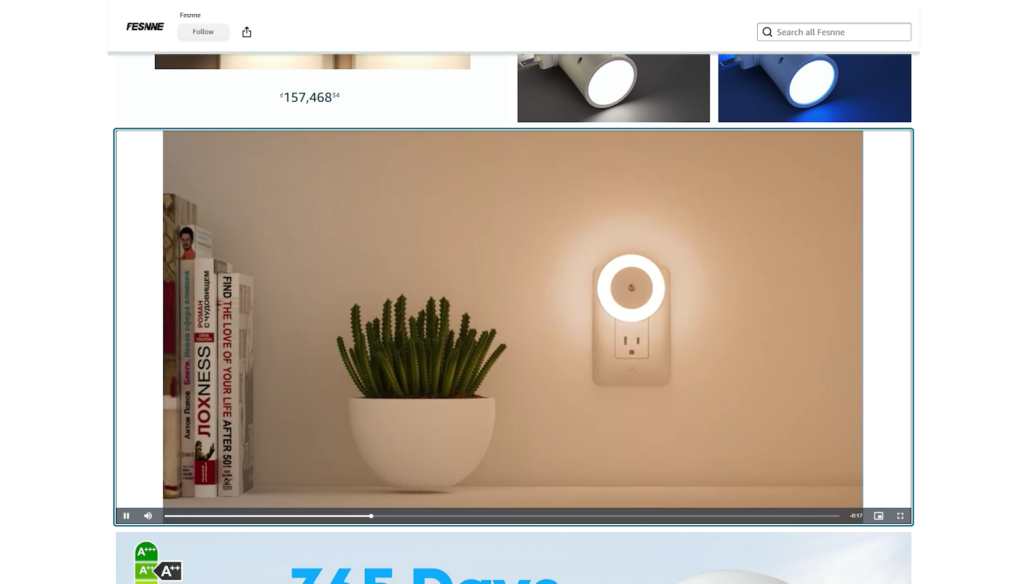
Text alone is not enough. Customers decide fast, often just by scanning images. Your visuals need to carry the story even if the user doesn’t read a single line.
Start with your main image. It must be clean, high-resolution, and clearly show the product. Then use secondary images to walk through the story step by step: show the problem, show the product in use, and show the result. Lifestyle images work well here because they help customers imagine themselves using it.
Add short videos if you can. A 15-30 second clip showing how the product works or how it solves a problem can answer doubts much faster than text.
A Brand Story that cross-sells the range is worth more than one that introduces the founder. That is how we build A+ Content and Brand Story.
Conclusion
When an Amazon Brand Story feels real and is easy to follow, it works. People who are shopping don’t think for long, so your message needs to get through quickly. Be clear, show how your product fits into everyday life, and don’t try too hard to sound impressive. People are more likely to trust you if they understand you right away. And once that trust is there, the next step is to buy.
1. What is an Amazon Brand Story?
An Amazon Brand Story is a way for a brand to share its identity, values, and mission with customers in a compelling way, helping shoppers connect emotionally and understand why the brand exists.
2. Why is building a Brand Story important on Amazon?
A well-crafted Brand Story makes your products stand out, builds trust with potential buyers, and can influence their purchase decisions by showing the brand’s personality and purpose.
3. How can a brand create an effective Brand Story on Amazon?
By clearly communicating the brand’s core values, highlighting product benefits, and sharing authentic customer experiences that demonstrate how the brand improves lives.