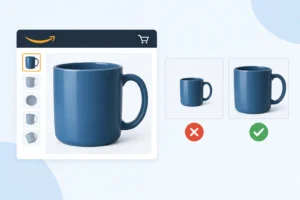
Many Amazon sellers use variations to keep listings clean and boost visibility. In theory, it’s a simple way to group related products under one parent listing. In practice, Amazon variation abuse has become a quiet but costly mistake that many sellers overlook
Some combine unrelated products just to collect reviews faster. In fact, 95% of Amazon shoppers read reviews before making a purchase, making review accumulation a high-stakes game for sellers.
Others inherit messy variation structures after buying an existing listing or working with inexperienced agencies. At first, nothing seems wrong; sales keep coming in, and the listing stays live.
The real problems appear later. Listings get suppressed, reviews disappear, or the entire ASIN structure breaks overnight. By the time sellers notice, fixing the damage often takes far more time, money, and lost sales than they expected.
What Is Amazon Variation Abuse?
Amazon variation abuse happens when sellers group unrelated or loosely related products into one listing to game the system.

You’ll see it when a listing shows completely different items under one parent product, just to collect reviews or boost ranking. For example, a phone case and a charger bundled as “variations” make no sense, but it helps the seller inherit reviews and visibility.
For buyers, it creates confusion. For honest sellers, it creates unfair competition. Amazon actively monitors and penalizes this behavior, so it’s not a loophole that lasts.
Understanding Amazon Product Variations
Amazon product variations solve a simple problem: too many choices, scattered listings. Instead of forcing buyers to jump between pages, sellers can group similar options under one listing, such as size, color, or flavor. One product, multiple choices, clean layout. Done right, variations make a listing stronger. Reviews stack together instead of being split across versions, which builds trust faster.
When Variations Become Abuse
The line gets crossed when sellers group things that don’t belong together. A variation should represent the same core product, not different items forced into one page.
Abuse usually shows up when sellers:
- Combine unrelated products into one listing
- Create fake variations just to pool reviews
- Use variations to push rankings or grab extra search traffic
It’s not subtle. You click on a variation expecting a color change and end up looking at a completely different product.
Amazon’s Policy on Variation Listings
Amazon is strict about this. Variations must share the same base product. Differences should be minor, such as size, color, style, or similar attributes.
Break that rule, and Amazon steps in. Common outcomes include:
- Listing suppression
- Account warnings
- ASIN removal
Amazon’s goal is to keep listings accurate and predictable. When variations stay clean, buyers trust the system, and that’s what the platform protects.
Common Types of Variation Abuse
Variation abuse usually follows a few predictable patterns. Once you know them, they’re easy to spot.
Unrelated Products Under One Parent Listing
This is the most obvious one. Sellers group completely different products under a single listing to share visibility and reviews. You click through expecting a simple option change, but the product itself changes. It breaks buyer trust fast. Amazon flags this because the items don’t share the same core function.
Review Hijacking via Variation Merging
Here’s a more calculated move. A seller takes a new or low-performing product and merges it into an existing high-review listing. Suddenly, that weak product inherits hundreds of reviews it didn’t earn. It looks credible overnight. Once the boost kicks in, the seller may even split the listing again, keeping the advantage.
Seasonal or Trend-Based Variation Manipulation
Some sellers chase trends by plugging temporary or trending products into established listings. For example, adding a holiday-themed version or a viral product as a “variation” just to ride existing traffic. The connection is often thin or forced. After the season passes, they swap it out again. It’s a quick traffic grab, nothing more.
Listing Merge and Split Tricks
This one happens behind the scenes. Sellers merge separate listings to combine reviews and ranking signals, then split them back into individual listings once they’ve gained momentum. It’s a cycle: merge to grow, split to control. Amazon monitors these patterns closely because they distort organic ranking and mislead buyers.
Hidden Costs of Amazon Variation Abuse
Variation abuse appears to be a shortcut, but the downside reveals itself quickly, and it lingers.
Listing Suppression
Amazon’s system catches this behavior more often now. Once flagged, listings can get suppressed without warning. In some cases, the parent ASIN gets blocked entirely, taking down all variations at once. Traffic drops to zero overnight. Fixing it isn’t instant either. You’ll need to clean up the structure, submit appeals, and wait.
Loss of Customer Trust
Buyers notice when something feels off. They read reviews that don’t match the product they’re viewing. They click a variation expecting a color change and land on a different item. That confusion kills confidence. Even if the product is decent, the listing feels unreliable, and that’s enough for buyers to leave.
Algorithmic Ranking Penalties
Amazon ranks products based on relevance and customer experience. Variation abuse weakens both. When unrelated products sit under one listing, the algorithm struggles to understand what you’re actually selling. That hurts relevancy signals. Add in lower conversion rates and mixed feedback, and your organic ranking starts to slide.
Account Health Risks
This doesn’t stay at the listing level. Amazon can issue policy violation warnings tied to variation misuse. Ignore it, and things escalate, including deactivation, ASIN removal, and even account suspension in serious cases. Recovery takes time and usually involves detailed explanations and proof of correction.
Long-Term Brand Damage
The biggest hit isn’t always immediate; it’s reputation. Customers who feel misled don’t come back. They leave negative reviews, call out inconsistencies, and warn others. Over time, that erodes brand trust. Once that trust is gone, no listing optimization or ad spend can fully fix it.
Best Practices to Avoid Variation Abuse
Clean variation structure isn’t complicated. It just requires consistency and a bit of discipline.
Follow the Same Base Product Rule
On Amazon, variations are meant to group the same product. The rule is that every child ASIN should belong to the same product family and differ only by a specific attribute.
A good example is a T-shirt sold in different sizes or colors. The core item stays identical. The fabric, brand, and product type remain the same. Only the selectable attribute changes.
Problems start when sellers push unrelated items into one parent listing just to boost visibility. A backpack, a laptop sleeve, and a travel pouch might share a theme, but they are not the same base product. When listings like this get flagged, the variation family can be broken apart or suppressed entirely.
Keeping variations within the same product family protects your listing from compliance issues and avoids sudden ranking loss.
Use Accurate Variation Themes
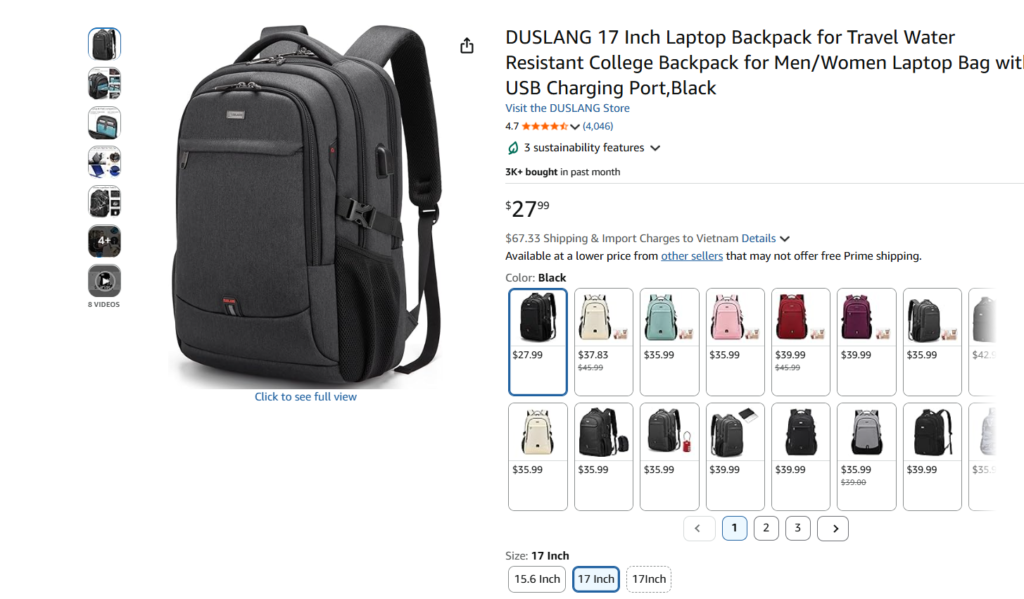
Variation themes exist to help shoppers compare clear, logical options. Stick to themes that actually reflect how buyers choose products.
Common examples include:
- Size (S, M, L, XL)
- Color (Black, Blue, Red)
- Pack quantity (1-pack, 3-pack, 6-pack)
These traits make sense because they reflect real choices about what to buy.
When sellers make up variation logic that confuses the catalog, things go wrong. When you mix different types of products, styles, and materials in the same variation group, it makes your listings messy and can sometimes cause Amazon to fix the catalog. Clean variation themes make it easier to look through listings and lower the chance of catalog conflicts.
Avoid Review Manipulation
Some sellers attempt to merge ASINs simply to collect reviews from different products. This tactic might work briefly, but it rarely lasts.
Amazon frequently audits listings for review abuse. If the system detects unrelated items sharing reviews, it can remove reviews, separate ASINs, or even suspend the listing.
Reviews should represent the exact product the customer purchased. Trying to recycle feedback across different items almost always backfires.
Audit Your Listings Regularly
Sellers should periodically review their catalog and check:
- Parent-child structure
- Variation themes
- Product consistency across ASINs
Small corrections made early prevent bigger problems later. A quick audit can protect rankings, reviews, and the long-term stability of your listings.
Variation abuse is usually a symptom of a channel nobody controls. See brand control and authorised distribution.
Conclusion
Variation abuse may look like a quick way to gain reviews, boost rankings, or squeeze more visibility out of a listing. But the long-term cost is far higher than many sellers expect. Amazon’s enforcement keeps getting stricter, and once a listing is flagged, recovery can be slow or impossible. Clean catalog structure and honest variation relationships may grow slower, but they protect your brand, your reviews, and your account stability over time.
1. What is Amazon variation abuse?
Amazon variation abuse happens when sellers intentionally group unrelated or loosely related products under a single listing to gain reviews, increase visibility, or improve ranking.
2. Why is variation abuse risky for sellers?
Sellers risk having their listings suppressed, reviews removed, or even their accounts penalized. Misusing variations can also confuse buyers, lower conversion rates, and damage long-term brand trust.
3. How can I avoid variation abuse?
Only group products that are essentially the same, differing in minor attributes like color, size, or quantity.