Strong Amazon product listing images do most of the selling before a shopper reads a single word. On Amazon.de, where buyers scroll fast on their phones, your photo stack decides the click and the conversion.
Baymard’s research found that only 25% of e-commerce sites give shoppers enough images to evaluate a product properly. This is a gap that hands you an easy edge. For a Turkish beauty brand entering the German market, the right seven photos build trust, explain the product, and reduce returns. Here’s the exact set of Amazon product listing images I’d build for every listing.
Why Your Images Carry the Sale on Amazon.de
German shoppers are careful. They read, compare, and expect precise, honest information before they buy. Most of them land on your page from a phone, so the first thing they see is your image carousel, not your bullet points. If the photos look cheap or unclear, they leave.
This is why strong Amazon listing images for Germany matter more than polished copy alone. A Turkish skincare or cosmetics brand is often unknown here, so your Amazon product listing images do the introductions. They prove quality, show texture, and signal that you understand the local market. Pair them with proper German listing optimization, and you remove the doubt that stops a first-time buyer.
The 7 Amazon Product Listing Images Every Turkish Beauty Brand Needs
Here is the full set:
- Main image, the clean hero shot that wins the click
- Texture and swatch shot show the real finish and shade
- Ingredient and benefit infographic, turns features into reasons to buy
- Lifestyle and in-use image create the emotional pull
- The before-and-after results image gives honest proof
- Size and scale image sets the right expectation
- Trust image, certifications, and brand credibility
1. The Main Image
Your main image is the only one that shows up in search results, so it carries your click-through rate. The Amazon main image requirements are strict: a pure white background (RGB 255, 255, 255), the product filling about 85% of the frame, and no text, logos, or props. Shoot your hero product clean and sharp. For beauty, that usually means the bottle, jar, or tube straight on, well-lit, with the label readable. Get this wrong, and Amazon can suppress the listing, which means zero visibility.
2. Texture and Swatch Shot
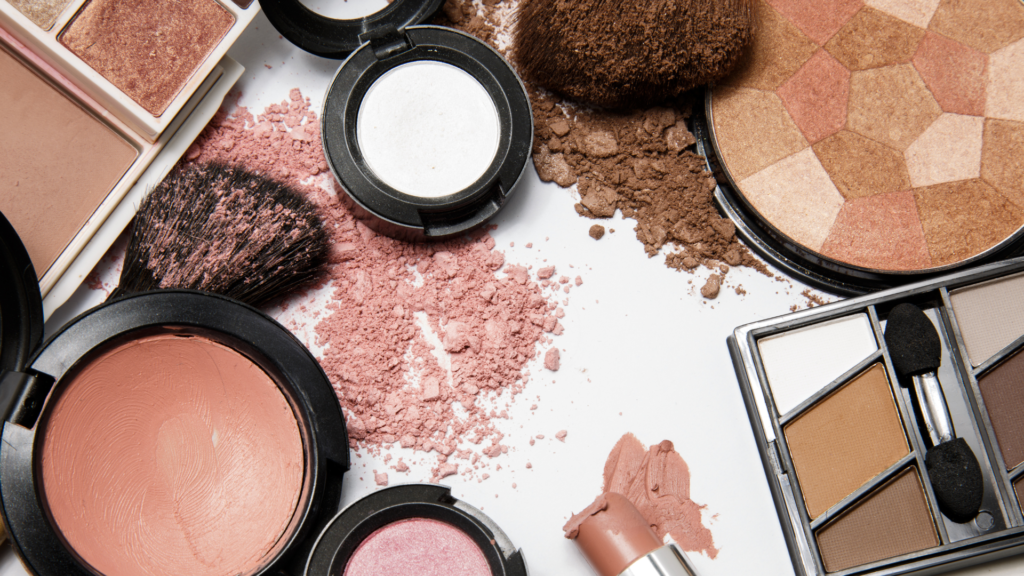
Beauty buyers want to see what they’re actually getting. A texture or swatch shot, cream on skin, serum on a fingertip, the shade of a lip product on a real arm, answers the question packaging photos never can. This single image does a lot to reduce returns in beauty, because the shopper knows the finish and shade before they order. Use natural skin tones that reflect your German audience, and keep the lighting honest so the product looks the same in real life.
3. Ingredient and Benefit Infographic
Infographic images are where you turn features into reasons to buy. List your hero ingredients and what each one does, argan oil, hyaluronic acid, whatever your formula leads with. Keep the layout simple: icon, short label, one benefit. German shoppers respond to clear, factual claims, not hype. Stick to three or four points so the image stays readable on a phone. Skip exaggerated promises, because in beauty they can get your listing flagged.
4. Lifestyle and In-Use Image
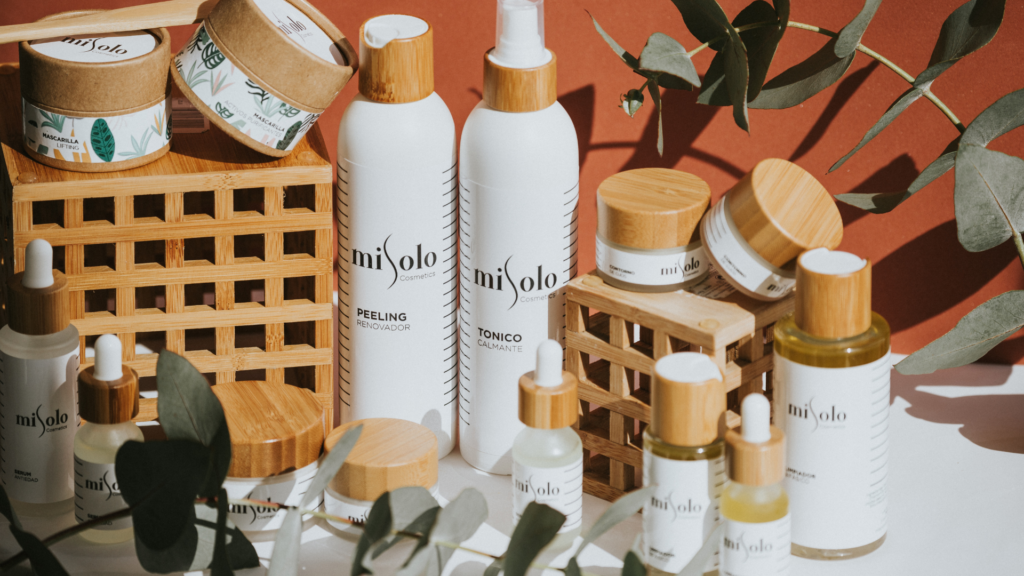
Lifestyle images show the product in a real setting, on a bathroom shelf, in someone’s hand, part of a morning routine. They create the emotional pull that plain packaging shots can’t. For a Turkish beauty brand, a shot that feels at home in a German bathroom signals “this belongs here.” If you want to go further, mix in explainer angles too; the difference between lifestyle and explainer images is worth understanding so each slot pulls its weight. Keep models and settings relatable to your buyer.
5. Before and After Results Image
Nothing sells skincare like proof. A before-and-after image, used carefully and honestly, shows the result a shopper can expect. Keep it realistic and avoid medical-style claims, which are tightly controlled in the EU. If a true before-and-after isn’t possible, show the payoff another way: smoother texture, added shine, even coverage. Honest results images build the confidence that turns a browser into a buyer.
6. Size and Scale Image
Shoppers can’t hold your product, so they guess the size, and guessing leads to disappointed reviews and returns. A scale image fixes that. Show the bottle next to a hand, or list the dimensions and volume clearly. An in-scale image is one of the simplest wins on the whole listing, yet plenty of sellers skip it. For travel sizes or full-size sets, make the difference obvious so nobody feels misled when the package arrives.
7. Trust Image
Your last slot should answer “why should I trust this brand?” Show certifications, cruelty-free or vegan badges, dermatologist-tested marks, or a short brand-story panel. German buyers care about sustainability and honest sourcing, so a clear trust image earns real points. Only display claims you can back up, false badges are an easy way to get reported. This image ties the set together and makes an unknown Turkish brand feel established.
Amazon Product Listing Image Specs That Keep You Compliant
Before you upload, get the technical side right. The rules hold steady, and the Amazon image size 2026 standards are easy to hit:
- Size: minimum 1000 pixels on the longest side; 1600 to 2000 pixels recommended so the zoom function works
- Format: JPEG for most images, which loads fast and uploads cleanly
- Main image: pure white background, no text, logos, or borders
- Quality: sharp, well-lit, and in focus, since blurry shots read as cheap on mobile
Files that miss these specs get rejected at upload or suppressed later, so check every image before it goes live. Strong Amazon product listing images are useless if the platform won’t show them, so treat the specs as the floor, not the goal.
Localizing Images for the German Market
A few touches make your images feel native. Put any infographic or callout text in German, use metric units and millilitres, and reflect German preferences for precision and sustainability. Cosmetic claims are regulated in the EU, and product safety falls under the GPSR, so keep on-image claims accurate and avoid anything that reads like a medical promise. This isn’t legal or compliance advice; confirm your specific claims and labelling with a qualified expert before launch.
Creative and copy carry more weight in beauty than in almost any other category. See how we approach it as an Amazon agency for beauty and cosmetics brands.
Conclusion
The seven-image stack, hero, texture, infographic, lifestyle, results, scale, and trust, does the heavy lifting on Amazon.de. Each slot answers a real question a German shopper has before buying, and together they turn an unfamiliar Turkish beauty brand into an easy yes. Build this set once, hold it to the specs, and your Amazon product listing images will keep earning clicks and conversions long after launch. Start with the main image, then fill every remaining slot.
1. How many product images can you have on an Amazon listing?
Amazon lets you upload up to nine images per listing, one main image plus up to eight additional ones. Use every slot you can, because more useful images mean more trust and better conversions. Some categories also allow a product video in one of those positions.
2. What size should Amazon product listing images be?
The minimum is 1000 pixels on the longest side, but aim for 1600 to 2000 pixels so the zoom function works properly. Larger, high-resolution files look sharper on mobile and signal a professional listing. JPEG is the safest format for most sellers.
3. Can you add text to Amazon product listing images?
You can add text to secondary images, infographics, lifestyle shots, and callouts all benefit from it. Your main image is the exception: it must stay clean, with no text, logos, or graphics on a pure white background.
Is your main image too small to click?
Measure how much of the frame your product fills against Amazon’s 85% minimum, and how many pixels wide it renders in a phone search result. Free, no sign-up.
Check my main image →