Germany’s €100B+ e-commerce market represents Europe’s largest untapped opportunity for established Amazon sellers. Yet despite Amazon.de holding more than 30% of the market and attracting millions of highly motivated buyers, most international sellers still underperform. The reason isn’t product quality; it’s that their listings were translated instead of optimized.
If you’re serious about the German market, this gap is exactly where you’re leaving money on the table.
A translated listing is not a localized listing. And a localized listing is not an optimized one. To actually convert on Amazon.de, your German Amazon listing needs to work on three levels: cultural fit, native keyword research, and structured copy that speaks to how German shoppers think and buy.
Why Direct Translation Fails German Shoppers
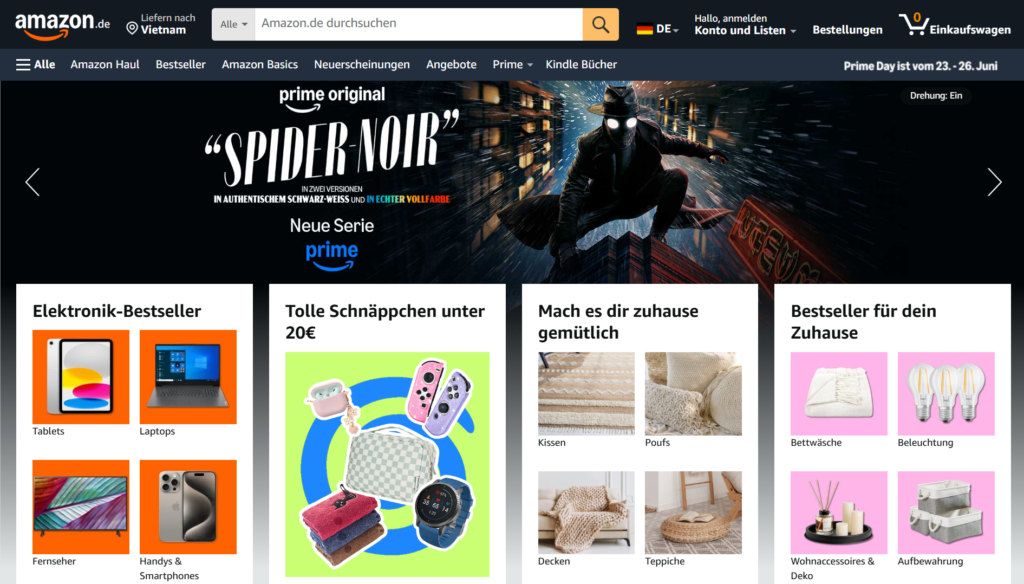
German shoppers don’t read listings the way American or British buyers do. They evaluate products differently, expect information in a specific format, and make purchase decisions based on different trust signals. A word-for-word translation ignores all of that, and the results show up in your conversion rate.
German Consumer Psychology and Trust Signals
German consumers are known for being careful, detail-oriented, and skeptical of marketing language. They read product descriptions thoroughly, pay close attention to technical specs, and respond to trust signals like CE marks, warranty information, and quality certifications.
A listing written in a typical American marketing style, loaded with superlatives, exclamation marks, and emotional language, tends to backfire with German buyers. They want factual information, not a sales pitch. Using formal language (Sie instead of du) is also a professional signal that many foreign sellers miss entirely. Get this wrong, and your German Amazon listing feels untrustworthy before the shopper even reads a single bullet point.
Legal and Compliance Requirements on Amazon.de
Amazon.de has specific legal requirements that other marketplaces don’t enforce as strictly. Depending on your product category, you may be required to include manufacturer information, German-language safety instructions, or EU-mandated warnings directly in your listing.
Missing these doesn’t just cost you sales; it can get your product removed. This is why optimizing a German Amazon listing is never purely a language problem. It’s a compliance problem, too.
Real Example of How a Mistranslated Bullet Loses Sales
Consider a seller listing food storage containers with the bullet point “BPA-free and eco-friendly.” Google Translate produces “BPA-frei und umweltfreundlich.” Grammatically fine. But the terms German shoppers actually search for are “lebensmittelecht” (food-safe) and “nachhaltig” (sustainable).
The listing doesn’t surface at the right moment, doesn’t match real search behavior, and converts significantly worse than a properly localized version. One mistranslated bullet, one lost sale, repeated across thousands of impressions.
Keyword Research for Amazon Germany: Beyond Google Translate
Keyword research for Amazon.de is an entirely different exercise from translating English keywords into German. The language has a structural complexity that, if you don’t understand it, will send you in the wrong direction from the start.
Understanding German Compound Words
German is famous for Komposita, compound words built by joining multiple words together into one. “Kühlschrank” (refrigerator), “Staubsauger” (vacuum cleaner), “Kindersicherheitsschloss” (child safety lock), all single words in German.
This means German shoppers frequently type long compound terms directly into the search bar, rather than separating words the way English speakers do. If your keyword strategy is built on translated individual words rather than how native speakers actually search, your German Amazon listing won’t appear where it should.
Native Keyword Research Tools for Amazon.de
To find the right keywords for the German market, you need tools pulling real data from Amazon.de:
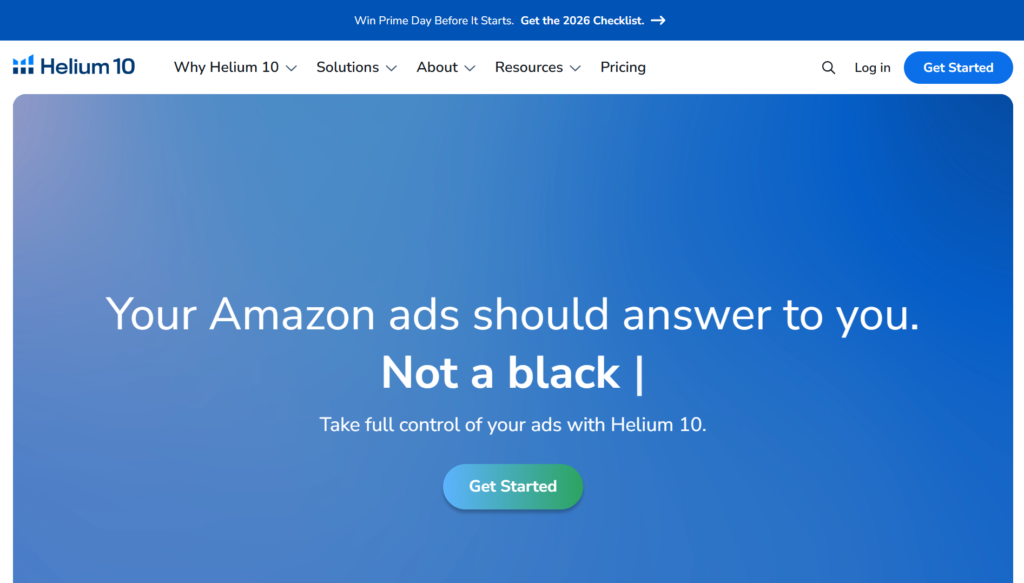
- Helium 10, with the DE marketplace filter selected, Cerebro and Magnet both support it, giving you actual search volume data from Amazon.de
- Jungle Scout with Germany-specific data enabled, allows keyword lookup and revenue estimates specific to the German marketplace
- Amazon.de Brand Analytics, if you’re enrolled in Brand Registry, this is the most accurate source because it pulls directly from real user search behavior on the platform
- Google Keyword Planner with location set to Germany, useful for supplementary research, though Google data doesn’t fully reflect how people search on Amazon
No single tool is complete on its own. Use at least two sources to build a keyword list that actually reflects how German shoppers search for your product.
Umlauts and Alternate Spellings in Backend Keywords
German has special characters: ä, ö, ü, and ß. The issue is that many users type “ae” instead of “ä”, “oe” instead of “ö”, or “ss” instead of “ß”, especially on keyboards without German characters.
In your backend keywords, include both versions. If your keyword is “Größe”, also add “Groesse.” Amazon.de handles some variations automatically, but coverage isn’t guaranteed. Backend keywords cost nothing to fill, there’s no reason to leave alternate spellings out.
German Amazon Listing Optimization: A 5-Element Framework
Optimizing a German Amazon listing isn’t about making each sentence “sound more German.” It’s about restructuring the entire content according to what German buyers expect to see, and where they expect to see it.
| Element | Common Mistake | Optimized Approach |
| Product Title | Translated from English title | Keyword-first, grammatically correct German |
| Bullet Points | Feature-first, casual tone | Benefit-first, formal Sie form |
| Description | Copy-pasted from .com listing | Written natively, includes technical detail |
| Backend Keywords | English terms or missing umlauts | German compounds + umlaut variants |
| Images | No compliance labels | CE, GS, or WEEE labels where required |
Product Title: Keyword-First and Grammar-Correct
Your title should open with the primary keyword, followed by brand, model, and the most important product attributes. This structure works for SEO and matches how German shoppers scan, they want to confirm what the product is before reading further.
One critical note: German titles must be grammatically correct, especially noun gender. “Der”, “die”, “das” aren’t interchangeable. Using the wrong article is an immediate signal that the content was machine-translated, and it damages credibility before the shopper reads anything else.
Bullet Points: Benefits Before Features, Formal Tone
Lead each bullet with the benefit, then explain the feature that delivers it. German buyers want to understand what problem the product solves before they care about specs.
Keep the tone formal and factual. A bullet like “Erleben Sie die beste Qualität!” (Experience the best quality!) won’t persuade a German buyer, they want to know specifically what “best quality” means. Avoid marketing fluff. State what the product does and why that matters.
Product Description and A+ Content
The description section is where you can go deeper, including technical specifications, usage instructions, and warranty details. With A+ Content, prioritize clean layouts, accurately captioned images in German, and comparison tables if you have multiple variants.
German shoppers read descriptions more thoroughly than in most other markets. That’s an advantage. If your content is solid, it actually converts, which is exactly why a well-built German Amazon listing outperforms a translated one over the long run.
Images and German Safety or Compliance Labels
Product images on Amazon.de sometimes need to display labels like CE, GS (Geprüfte Sicherheit), or the WEEE symbol (crossed-out wheelie bin for electronics). Some are legally required under EU law; others build trust with buyers who specifically look for them.
If your product falls under toys, electronics, or food contact materials, verify the required labeling before your listing goes live. Missing a mandatory label is a compliance issue, not just a design oversight.
Common Mistakes Sellers Make When Entering Amazon.de
Most sellers understand the theory. The problems show up in very specific, avoidable execution errors.
Copy-Pasting Auto-Translated Reviews into Bullet Points
This happens more often than you’d expect. Some sellers pull positive reviews from Amazon.com, run them through Google Translate, and paste the output into bullet points. The result is sentences like “Dieses Produkt ist sehr toll und ich liebe es sehr”, immediately recognizable as machine-translated, informationally empty, and trust-destroying.
Every bullet point in your German Amazon listing should be written originally in German, not translated from reviews or from your English listing. There’s no shortcut here that doesn’t cost you conversions.
Ignoring VAT Display and Pricing Compliance
In Germany, all consumer-facing prices must include VAT (Mehrwertsteuer). Amazon.de handles this automatically for marketplace prices, but if you’re running A+ Content with pricing references or external landing pages pointing to your listing, make sure displayed prices comply with German law.
Beyond display rules, selling via FBA in Germany triggers a VAT registration obligation. According to Statista’s e-commerce compliance data, VAT-related issues are among the leading reasons non-EU sellers face account suspensions on Amazon.de. Skipping registration isn’t a gray area; it’s a legal liability.
Localisation and compliance are the same job in Europe. See where this fits in our Amazon EU compliance guide.
Conclusion
Getting traction on Amazon.de takes more than a good product and a translated page. The sellers who consistently build revenue there treat their German Amazon listing as its own project, with dedicated keyword research, native copywriting, and compliance checks built into the process. That level of attention is exactly what separates listings that rank and convert from listings that sit there and collect impressions without results.
1. Why is direct translation not enough for Amazon.de listings?
Because German shoppers have different buying habits, trust signals, and search behavior. Listings need localization and optimization, not just translation.
2. What is an important part of German Amazon keyword research?
Understanding German compound words and using native keyword tools like Helium 10, Jungle Scout, and Amazon Brand Analytics.
3. What common mistake do international sellers make on Amazon.de?
Many sellers use machine-translated content instead of native German copywriting, which can reduce trust and lower conversion rates.
Your title, against the 75-character cap.
Paste it in and get the rewritten title plus the 125-character Item Highlights string that carries everything which would not fit. Free, no sign-up.
Rewrite my title →