Getting traffic to an Amazon storefront isn’t the hard part; getting the right traffic is. Many sellers rely too much on Amazon’s internal system and forget they can bring in shoppers from outside. That’s where real growth starts.
When you control more of your traffic sources, you have more say in how shoppers discover and interact with your brand. Social media, email lists, and content platforms can all send interested buyers straight to your storefront. The key is knowing where your audience spends time and how to reach them without feeling pushy. Done right, external traffic can turn a quiet storefront into a steady sales channel.
This guide covers where that traffic comes from, how to build a funnel around it, and how to measure it with Amazon Attribution, including how the Brand Referral Bonus turns part of that traffic into a fee credit.
What is External Traffic for Amazon?
External traffic means visitors who come to your Amazon storefront from outside the platform. They don’t start on Amazon; they click in from other places. Typical channels are Google search, social media, email marketing campaigns, and influencer campaigns.
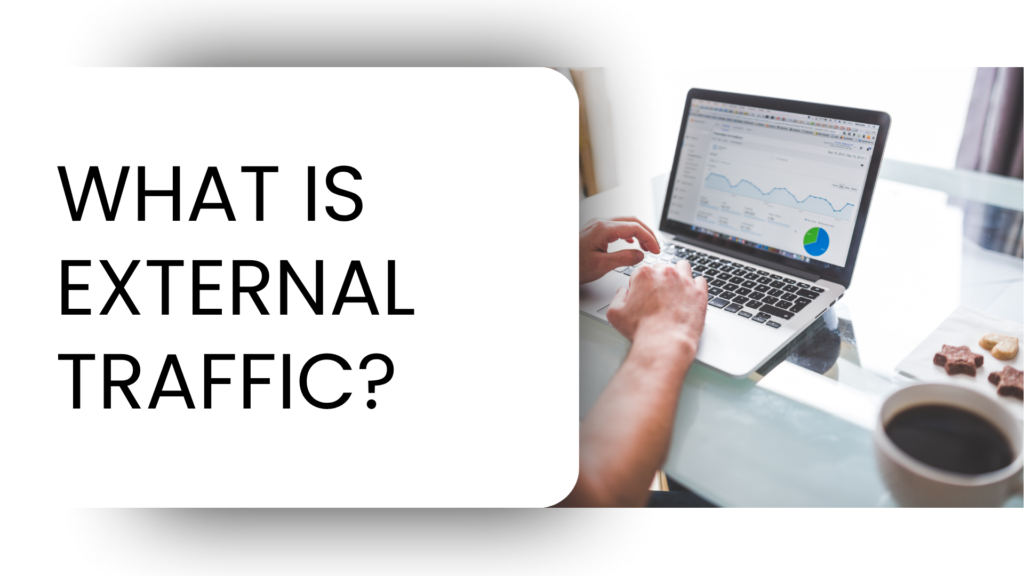
For example, a TikTok video or a blog post can send people directly to your product page. This is not the same thing as internal traffic coming from Amazon itself, like search results or PPC ads. With external traffic, you have more say over where shoppers come from and what they see first; internal traffic relies heavily on Amazon’s algorithm and competition in the marketplace.
There is one catch. Without a tag on the link, Amazon can’t tell you which specific ad, post or email sent a shopper, so a post that sold plenty and one that sold nothing look identical. Amazon Attribution adds that measurement layer, and later in this guide we set it up.
Amazon PPC & Amazon Ads: Your Foundation
Before you think about driving traffic from outside, it helps to have a solid base inside Amazon.
What is Amazon PPC?
Amazon PPC is pay-per-click advertising that runs inside Amazon. You only pay when someone clicks your ad. It’s the fastest way to get visibility when your product is new or not ranking yet. There are three main formats:
- Sponsored Products promote individual listings in search results and product pages.
- Sponsored Brands highlight your logo and multiple products at the top of search.
- Sponsored Display shows ads both on and off Amazon, helping you retarget shoppers who didn’t buy the first time.
Why Amazon PPC Comes First
For many sellers, PPC is a useful starting point because it can give early data on search terms, products and conversion performance. You see which keywords convert, which products get attention, and where budget is wasted. Those findings help you decide which phrases and benefits to repeat in your outside content.
Amazon Ads Ecosystem
Amazon Ads has more than one campaign type. It works like a system where each format supports the other. You guide shoppers from discovery to purchase, then bring them back later.
Top External Traffic Sources for Amazon Storefronts
External traffic is where you start taking control. You’re no longer waiting for Amazon to push your products. Instead, you bring in people who already have an interest. The key is simple: find where your audience spends time, meet them there, and give them a clear path to your storefront.
One rule applies to every channel below: give each ad, post, email or creator link its own Amazon Attribution tag (setup is covered in the funnel section). That is the only way to know which one actually sold.
Google SEO (Organic Traffic)
Google remains one of the most stable sources of external traffic. People search with intent, especially when they’re close to buying. If you show up at the right time, you get high-quality clicks.
Start by creating blog content around real search terms:
- “best [product]”
- “[product] review”
- “how to use [product]”
These keywords bring in people who are already comparing options. That’s where you want to be.
You can build a simple niche site or a blog for your brand. Keep the content helpful and direct. Write like you’re answering real questions. Add your product naturally into the content, then link to your Amazon storefront with a tagged link.
This method takes time, but it compounds. One good article can bring traffic for months or even years without extra cost.
Google Ads (Paid Search)
If SEO is slow, Google Ads is immediate. You can show up at the top of search results the same day you launch a campaign.
Focus on high-intent keywords. These are search terms that signal someone is ready to buy, not just browsing. For example:
- “buy [product] online”
- “best price [product]”
Instead of sending traffic straight to Amazon, it often works better to use a landing page first. This gives you more control. You can explain the product, highlight benefits, and warm up the visitor before they click through to Amazon. Put your Amazon Attribution tag on the button that leads to Amazon.
A simple flow looks like this:
Landing page → Product explanation → Button (tagged) → Amazon storefront
You should also use remarketing. Many people won’t buy on the first visit. With remarketing ads, you can follow up and bring them back. This keeps your product in their mind and increases your chances of conversion.
Social Media Marketing
Social media can send traffic quickly, especially if your product is visual or easy to demonstrate.
Focus on platforms where attention is close:
- TikTok
Short-form content works best. People scroll fast, so you need to catch attention quickly.
Effective content ideas include:
- Short product demos
- Before-and-after results
- Quick problem-solution videos
- User-generated content (UGC)
UGC is especially powerful. Real customers showing real use build trust faster than polished ads. It feels more natural and less like selling. Every post should have a clear next step.
Don’t assume people will search for your product. Guide them. Add a strong call-to-action that leads directly to your Amazon storefront, and use a separate tag for organic posts and paid ads so you can compare them. Consistency matters more than perfection. Posting regularly keeps your product visible and gives you more chances to find content that works
Influencer Marketing
Influencer marketing works because it borrows trust. Instead of building an audience from scratch, you tap into someone who already has it.
You don’t need big influencers. Micro-influencers can be worth testing because their audiences are often more niche and closely aligned with a specific product category.
Look for creators in your niche. If you sell fitness products, work with fitness creators. If you sell home items, find lifestyle or home-focused accounts. Relevance matters more than follower count.
Give influencers a simple way to promote your product:
- A dedicated Amazon Attribution link for each creator, so you can see whose audience clicked and bought
- A discount code, if you run one
- Freedom to show real usage
Avoid over-controlling the content. Let them speak in their own style. Their recommendations can feel more relevant when the creator is a strong fit for the product and the audience. When done right, influencer campaigns can drive bursts of external traffic and quick sales spikes, and separate links tell you which creators are worth working with again.
Email Marketing
Email is one of the few channels you fully own. Algorithms don’t control who sees your message. That makes it a powerful long-term asset.
Start by building a list. You can collect emails through:
- Landing pages
- Giveaways
- Content downloads
- Social media
Once you have subscribers, you can bring them back anytime.
Use email to promote:
- New product launches
- Limited-time discounts
- Restocks
- Bundles or special offers
Email works especially well for repeat purchases. If someone already bought from you once, they’re more likely to buy again. You just need to remind them. Klaviyo’s 2026 benchmarks show how much the trigger matters: on brands’ own online stores, automated email flows average a 2.11% placed order rate, against 0.16% for one-off campaigns (Klaviyo).
An email triggered by what the subscriber just did, such as a welcome message or a restock notice, tends to do more than a general newsletter. Keep emails simple and clear. One message, one goal. Add a tagged link that sends them straight to your Amazon storefront, and use a different tag for each campaign. Over time, this becomes a steady source of external traffic that doesn’t rely on ads.
High Converting Funnel Strategy
Driving external traffic without a clear funnel often wastes budget. People click, look around, then leave. A simple structure fixes that.
Start with your external traffic source. This could be Google, social media, or influencers. Instead of sending visitors straight to Amazon, route them through a landing page. This step is optional, but it gives you more control. You can explain the product, highlight benefits, and pre-sell before they reach Amazon.
Add pixel tracking on that page using Meta or Google. This lets you track who visits and what they do on your own page. Most people won’t buy on the first click, so tracking matters. Keep in mind that a pixel can’t see what happens after the click to Amazon. That part needs Amazon Attribution. If you use advertising pixels or cookies, make sure your tracking setup follows the privacy and consent requirements that apply in the markets you target.
Next comes retargeting. Show ads again to people who already visited but didn’t purchase. These are warm users. They convert much easier than cold traffic.
Think of it as a system:
- External traffic can build awareness
- Amazon can capture the purchase, with PPC supporting visibility
- Amazon Ads display remarketing (including DSP) can bring eligible shoppers back
When these parts work together, your funnel becomes more efficient. You spend less to get each sale and get more value from the same traffic.
Set Up Amazon Attribution Before You Send a Single Click
Amazon Attribution is Amazon’s free tool for measuring what outside traffic does once it reaches your listing or Store. It is available in supported Amazon marketplaces to eligible professional sellers enrolled in Amazon Brand Registry, vendors, and agencies working for them. Availability varies by marketplace, so check Amazon’s current list before you plan. Here is the setup, based on Amazon’s guide to Amazon Attribution:
- Open Amazon Attribution: In the Amazon Ads console, go to Measurement & Reporting, then Amazon Attribution, then Create campaign.
- Pick your products: Only in-stock products with a photo and a price can be measured.
- Create separate ad groups for each strategy, tactic or creative you want to measure on its own: For example, one for an Instagram Reel and one for a newsletter link. Each ad group gets its own tag. Choose the publisher, the channel, and the destination: a product page if you want sales of one item, your Store if you want people to browse.
- Paste the tag into the destination URL of the ad, post, email or button: Amazon advises one tag per ad, or per link or button within an ad. If one tag is shared across several placements, the data gets mixed and you can’t tell what worked.
- Check after one to two days: Clicks show up first. Amazon says a 10-20% gap between its click count and your ad platform’s is normal. If the gap is bigger than 20%, re-check your tags.
Amazon Attribution uses a 14-day, last-touch model. A purchase is credited to the most recent tagged click, as long as it happens within 14 days of that click. The report shows clicks, detail page views, add-to-carts, purchases, sales and new-to-brand customers. It also shows “brand halo”: what shoppers bought from your brand that wasn’t the product you promoted. That matters if you link to your Store or sell a range.
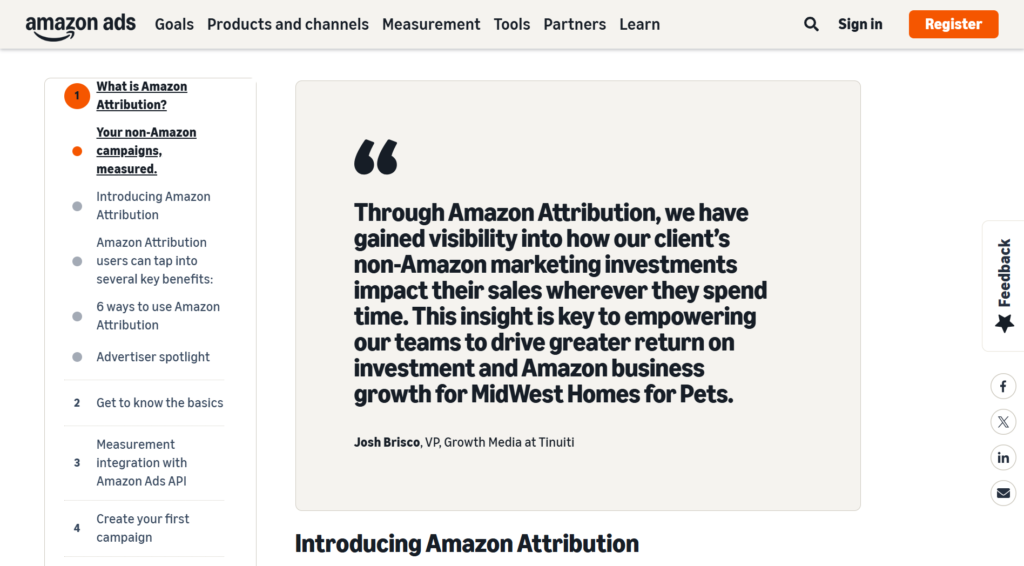
Read the report as a funnel. Many clicks but few detail page views points to a tracking or link problem. Many detail page views but few add-to-carts points to the listing. Compare tags against each other, for example organic posts against paid ads, or one creator against another, and move budget toward what sells. MidWest Homes for Pets did this with its non-Amazon search ads: it tagged each ad group, adjusted bids on its key publishers using the Amazon sales data, and raised its return on ad spend by 32% (Amazon Ads).
One US brand, Honest Paws, described in an Amazon case study what tagging changed for it. Before, it couldn’t tell which channels were paying off. After it started using Amazon Attribution tags, it reported conversion rates around 12%, with some single links bringing in $12,000 to $15,000 in sales. These are the brand’s own figures and a strong result, not an average, but they show the kind of difference the report can reveal.
Brand Referral Bonus: What the Maths Looks Like
The Brand Referral Bonus is a programme for brands selling in the Amazon US store. When a shopper reaches your listing from a tagged link outside Amazon and buys, you can earn a bonus averaging around 10% of qualifying sales. Two details matter before you plan around it:
- It is a credit, not cash. The bonus is applied against the referral fees on your future sales.
- It only covers traffic you drive outside Amazon. Sponsored Products, Sponsored Brands and other Amazon ads don’t earn it. Social posts, email, search and display ads that send shoppers to Amazon do, as long as they carry an Amazon Attribution tag.
Amazon’s own example shows how it works. You sell a $100 product with a 14% referral fee. A sale driven by your external campaign earns a 7% bonus, which is $7. When that $7 is applied to the $14 fee on a later sale, you pay $7 instead. Net profit on that later sale goes from $86 to $93.
That 7% is Amazon’s illustration, not a standard rate. Actual bonus rates vary by category, price and other factors, so check the rate for your own category in Seller Central before you model it. Two timing rules also matter:
- Bonuses are credited after a waiting period of about two months, to allow for cancellations and returns.
- The bonus can also apply to additional products from your brand that the shopper buys within 14 days of the click.
The practical effect: on sales you drive yourself, the bonus lowers what Amazon takes, so the same outside ad spend has a lower net cost per sale than the raw numbers suggest.
Conclusion
External traffic helps you bring your own customers to your Amazon storefront. You don’t have to rely only on Amazon’s system. Start small, test a few channels like Google or social media, and tag every link so you can see what works. Focus on clear steps that guide people to your product. Keep it simple and consistent. Over time, you’ll get better results and more stable sales.
Not sure which channels to test first? Talk it through with the Amazon Experts team. Book a free consultation or request a free audit and we’ll help you plan external traffic that you can actually measure.
1. What is external traffic?
External traffic means people come to your Amazon storefront from outside platforms like Google, social media, email, or influencers. They don’t start on Amazon. This helps you reach new customers and not depend only on Amazon search.
2. Which source works best for beginners?
Social media is a good place to start. It’s easy to use, low cost, and you can test content quickly. Short videos or simple product demos can already bring traffic if done right.
3. Do I need a landing page?
You don’t have to use one, but it helps. A landing page lets you explain your product clearly and warm up visitors before sending them to Amazon. This can improve your conversion rate.
4. Do I need Brand Registry to use Amazon Attribution?
For sellers, yes. Amazon Attribution is available to professional sellers enrolled in Amazon Brand Registry (with brand representative status), in supported marketplaces. Vendors and eligible agencies can also use it. If you are not enrolled yet, Brand Registry is the first step.
5. How soon does Amazon Attribution show results?
Clicks can appear within one to two days, but conversions can be attributed for up to 14 days after a click. Give campaigns enough time to collect conversions before you compare channels.