Have you ever wondered how safe your brand really is amid countless competitors, ads, and fake websites? Honestly, I’ve noticed that many businesses think that just having a great product and marketing is enough, but that’s not always the case. Brand protection isn’t just about “defense”; it’s a comprehensive strategy that spans content, PPC advertising, and the right legal actions.
What is Brand Protection
Brand protection is concerned with ensuring your overall brand presence and that your assets are secure in the online market. On websites such as Amazon, your brand will be susceptible to knockoffs, unauthorized sellers, and misuse. These are not only sales issues; these problems can damage your image and your customers’ confidence.
Brand protection refers to active measures to ensure that bad actors do not undermine your branding efforts. To demonstrate the severity of the problem, a real-life example is provided: in 2024, according to Amazon’s report, they detected, confiscated, and disposed of more than 15 million fake products across the world.
This indicates that without a proper brand protection policy, the chances of fake products reaching customers are high, and the impact may directly affect revenue and brand identity.
Content Strategy for Brand Protection
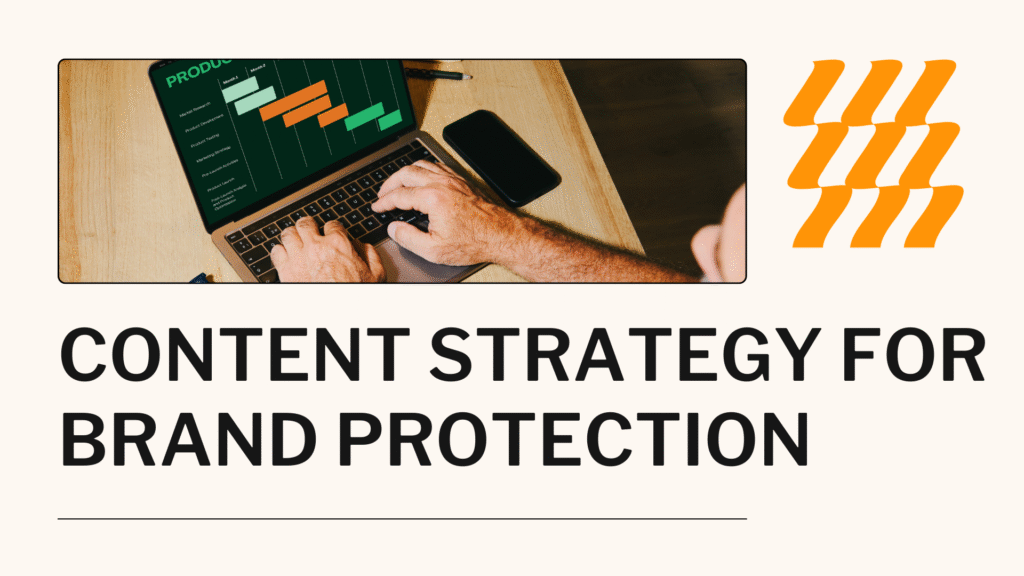
Content is not only a means of product showcase but an effective tool for brand protection. Whether it is a market of copycats, fake information, or competitors attempting to capitalize on your name, a well-thought-out content strategy helps customers recognize genuine products, minimizes confusion, and enhances brand credibility in the long run.
Content Strategy
In order to have a successful content strategy, please take into consideration the following steps:
Provide Comprehensive Product Details
When they have all the information they require, customers are less likely to get confused and misled. A strong content strategy must comprise:
- Clear product description: should emphasize the main features, sizes, and colors, and technical details. As an example, add such dimensions as centimeters or inches, weight in grams or kilograms, and material structure.
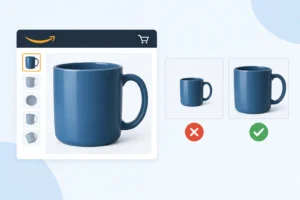
- Good photos: Provide numerous angles, close-ups, essential details, and lifestyle photos to demonstrate how it is used in the real world. Online stores may consider using 3D renderings or AR previews.
- Demonstration videos: Discuss how the product functions, assembling guidelines, or instructions. Video information builds more trust and reduces customer complaints.
Emphasize Points of Difference with Counterfeits
A good brand protection content plan should inform customers about the process of identifying real products and fake products. The content should also focus on details difficult for counterfeiters to replicate, such as the quality of materials, workmanship, packaging, anti-counterfeit labels, or QR code verification.
Videos, articles, or images that make visual comparisons between original and counterfeit products enable customers to see the difference clearly.
Elaborate on the Advantages of Authentic Goods
Customers must know why they should use your products as opposed to other lower-quality, cheaper alternatives. This may be in terms of durability, warranty, after-sales services and general experience. When the customers view the value of real products in the long run, they are less inclined to use imitated or poor-quality products.
Offer Usage Guides and FAQs
Give step-by-step instructions and solve common questions. This content will assist customers in using products properly, minimize confusion or complaints, and result in an overall customer experience.
Keep Content Updated
Providing customers with updated and accurate information also poses a challenge to counterfeiters or other competitors who may attempt to deceive customers with outdated content. Regular updates also give a chance to add new models, colors, or improvements and continue to strengthen the image of an active and trustworthy brand.
Benefits
A well-executed content strategy will enable customers to know the real products, create loyalty, and minimize customers’ chances of buying fakes. It also enhances access to potential new customers and overall brand awareness.
Whenever customers have been given clear and consistent directions, they feel more trust towards your brand and are more likely to make repeat purchases and give positive experiences to others, which creates a long-lasting form of brand protection.
Protect Your Brand Through PPC (Pay-Per-Click)
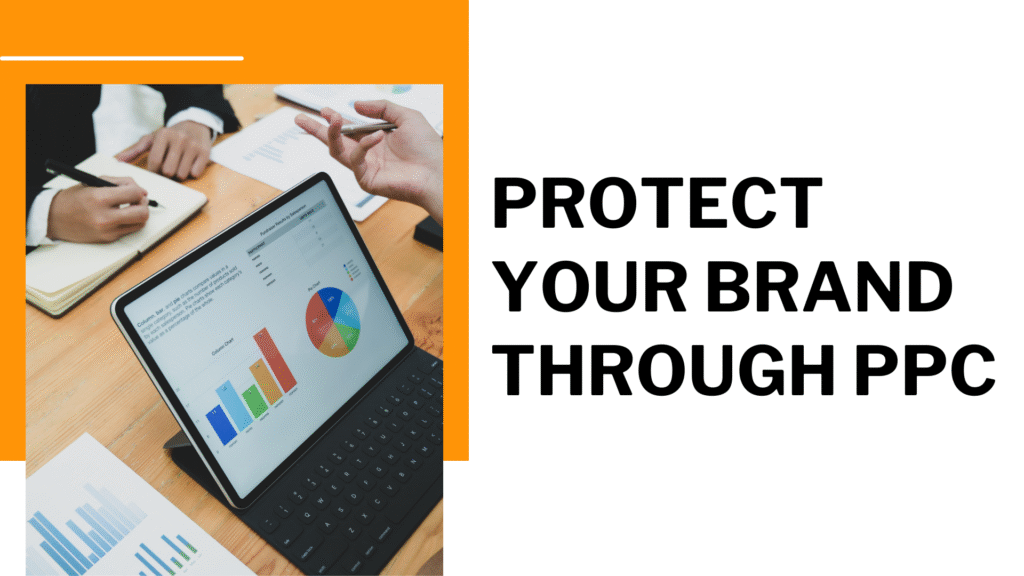
Pay-Per-Click (PPC) ads can be a two-edged sword. Although PPC generates traffic and sales, your brand keywords can be used by competitors, which may cause potential customers to choose other products instead. The use of intelligent PPC will ensure your target audience sees your brand first and minimizes the chances of losing sales to other brands.
PPC Tactics
In order to protect your brand using PPC, the following approaches should be considered:
Bid on Your Own Brand Keywords
Bidding on your brand keywords is one way to ensure your advertisements are shown whenever someone is searching for your products. This ensures they are visible and they do not lose high-intent traffic to the competitors. It also strengthens brand authority, as it will tell the customers that they are dealing with the official source.
Keep Track of Competitor Activity
Consistently monitoring the actions of your competitors means that you can determine who is after your brand keywords. You are able to tweak bids or budgets, so you maintain visibility and ensure you do not lose traffic to your competitors. It is better to remain active to maintain market share and dominate search results with your brand.
Use Negative Keywords
Negative keywords ensure that your advertisements do not appear on unrelated searches, minimizing the amount of money wasted. This makes campaigns targeted at individuals who really want your products. You can sieve irrelevant clicks, which will result in high-quality ad traffic and a high likelihood of conversion.
Create Targeted Ad Copy
The focus of your PPC ads then must be on the authenticity of the product, guarantees, and unique benefits. Effective messaging would give the customers a sense that they are purchasing original products, not imitations. Well-crafted ad copy improves click-through rates as well as builds the credibility of your brand.
Refine Campaigns Regularly
PPC campaigns must be constantly monitored and modified. Refining targeting, updating bids, and improving performance ensure that your brand remains visible. Staying ahead of rivals and capturing high-intent traffic on a regular basis are guaranteed through regular optimization.
Benefits
These PPC strategies are used to ensure that customers who are searching for your brand get to the official products before they can lose their sales to the competition. It also builds brand credibility through demonstrating that your brand is active and credible. When PPC campaigns are done right, they may boost the number of conversions, higher-quality traffic, and supplement other brand protection measures, which would make an online presence much safer and more recognizable.
Legal Actions
Brand protection is based on legal action. They enable you to protect intellectual property rights, including trademarks, copyrights, and patents, on an official basis. In doing this, you send to the market a message that your brand is serious in protecting its reputation.
This acts as a deterrent to would-be infringers from misusing your brand, reducing the risk of customer confusion, missed sales, and a damaged reputation. Legal acts also provide solutions for breaches of the law and give your business a formal channel for addressing violations.
Types of Legal Actions
Protecting your brand under the law involves several steps to safeguard your rights and prevent their abuse.
Cease and Desist Letters
The first step is often to send a formal notice to anyone using your brand without authorization. It cautions the violator against continued illegal usage. Several cases are resolved at this point, saving the organization the expense of court cases.
Trademark Infringement Lawsuits
In the event of repeated violations, a court action can defend your rights and even recover damages. This legal action will ensure that the offenders are brought to task and that your brand is no longer exploited.
Customs Enforcement
Trademarks can be registered by the customs authorities to prevent the entry of counterfeit products into the market. This helps not only protect your brand but also protect your customers.
Online Takedown Requests
A lot of online websites enable you to report violating listings. Takedowns will ensure that no fake or unlicensed products are displayed online, protecting your online presence.
Licensing and Contracts
Efficient legal commitments with partners, resellers, or distributors determine licensed use of your brand. The contracts include legal remedies in the event of breach of terms and minimise the risk before it occurs.
Benefits
Legal measures are an excellent form of protection that supplements content and PPC measures. They aid in brand integrity, prevent loss of revenue due to fake or illegal products, and create customer trust. Having the assurance that your brand is under legal protection is also known to deter would-be infringers, which creates a safer marketplace and provides greater protection for your company.
Conclusion
Brand protection is more effective when the three layers, content, PPC, and legal actions, are reinforced. Clear content helps customers identify real products. Smart PPC will ensure that high-intent traffic is displayed in your official listings rather than competitors’ or sellers’ listings that are not authorized. A powerful legal effort establishes a legal obstacle that deters abuse and also confirms your claim.
By combining these layers, your brand is less imitable, more trustworthy to your customers, and confident in all digital channels. That is not merely about protecting your revenue, but about safeguarding your brand image and the brand loyalty you have earned through hard work.
FAQs
Is there any need for brand protection if I already have a trademark?
Yes. Trademarks provide legal ownership, but do not necessarily prevent counterfeit and unauthorized sellers. You still need content, PPC, and enforcement to protect your brand on online platforms actively.
What should my first layer be: Content, PPC, or Legal?
Start with content to enhance customer transparency and minimize misunderstandings as quickly as possible. PPC is used to ensure traffic, whereas legal measures are taken to enforce the violations for long-term protection.
Is it worth the price to bid on my own brand keywords?
Yes. Brand keyword bidding is usually inexpensive and helps prevent competitors from capturing high-intent traffic. It further validates your power and ensures that customers access your official listings.